Fiber Arts & Textiles
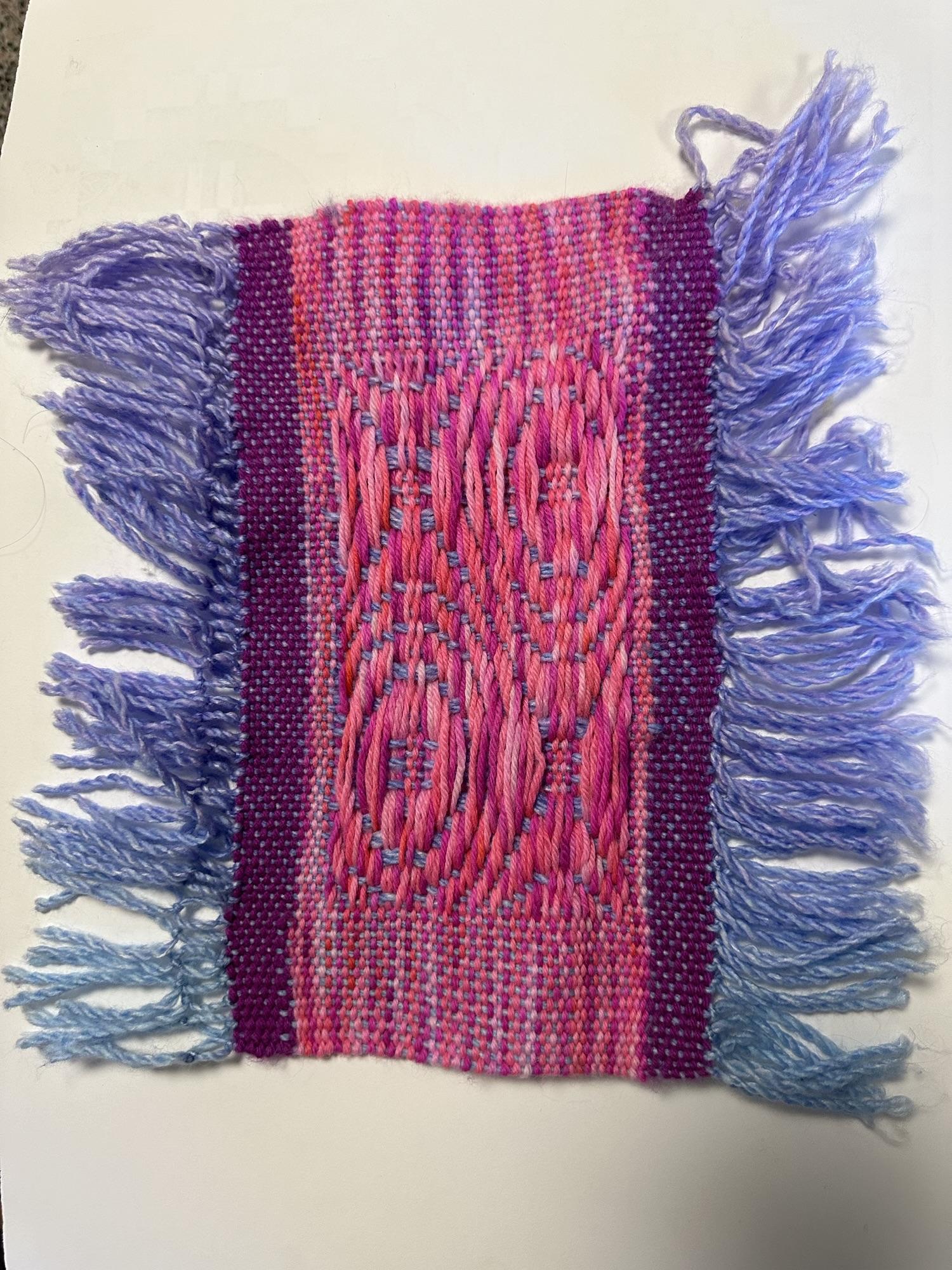
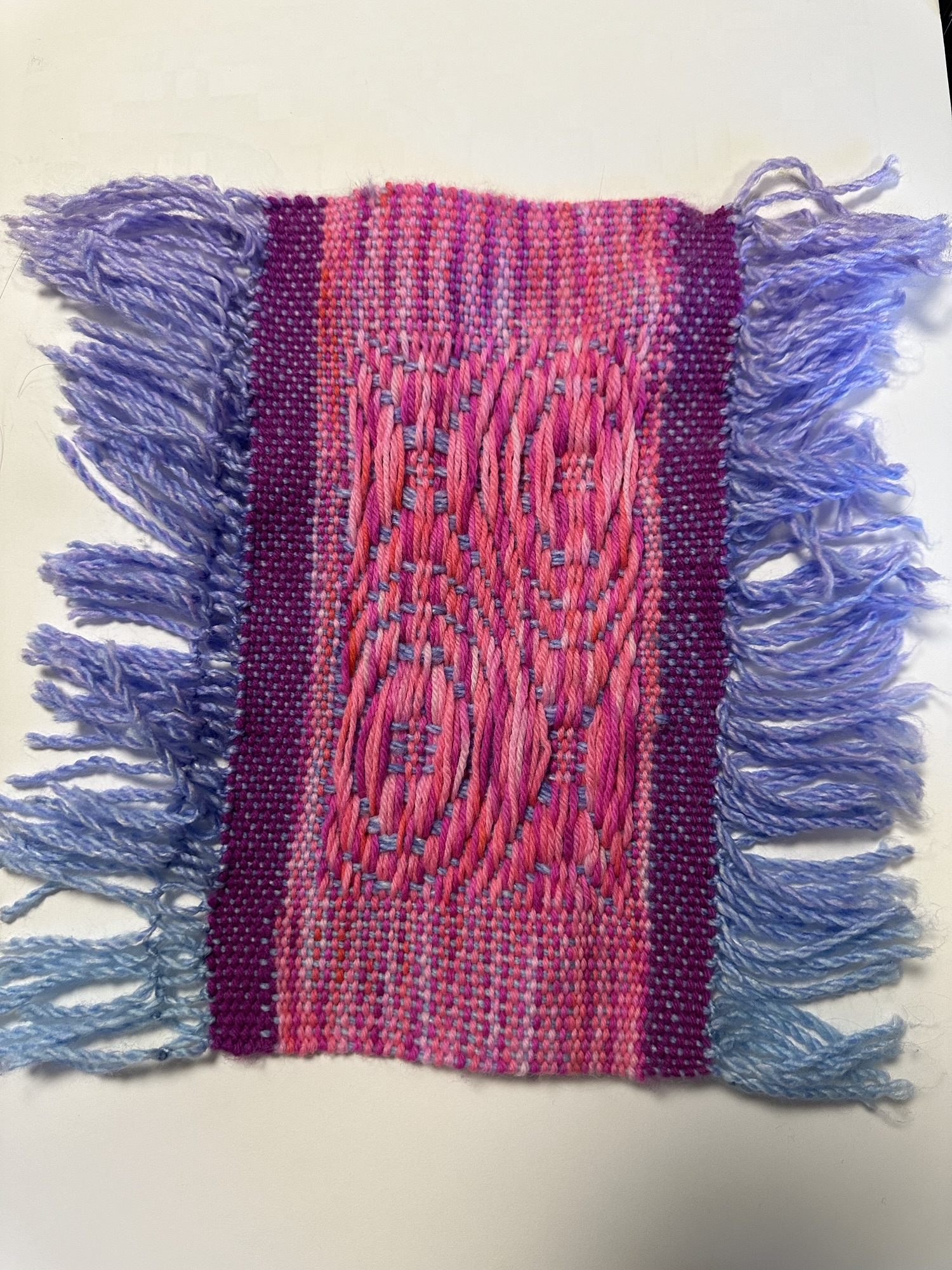
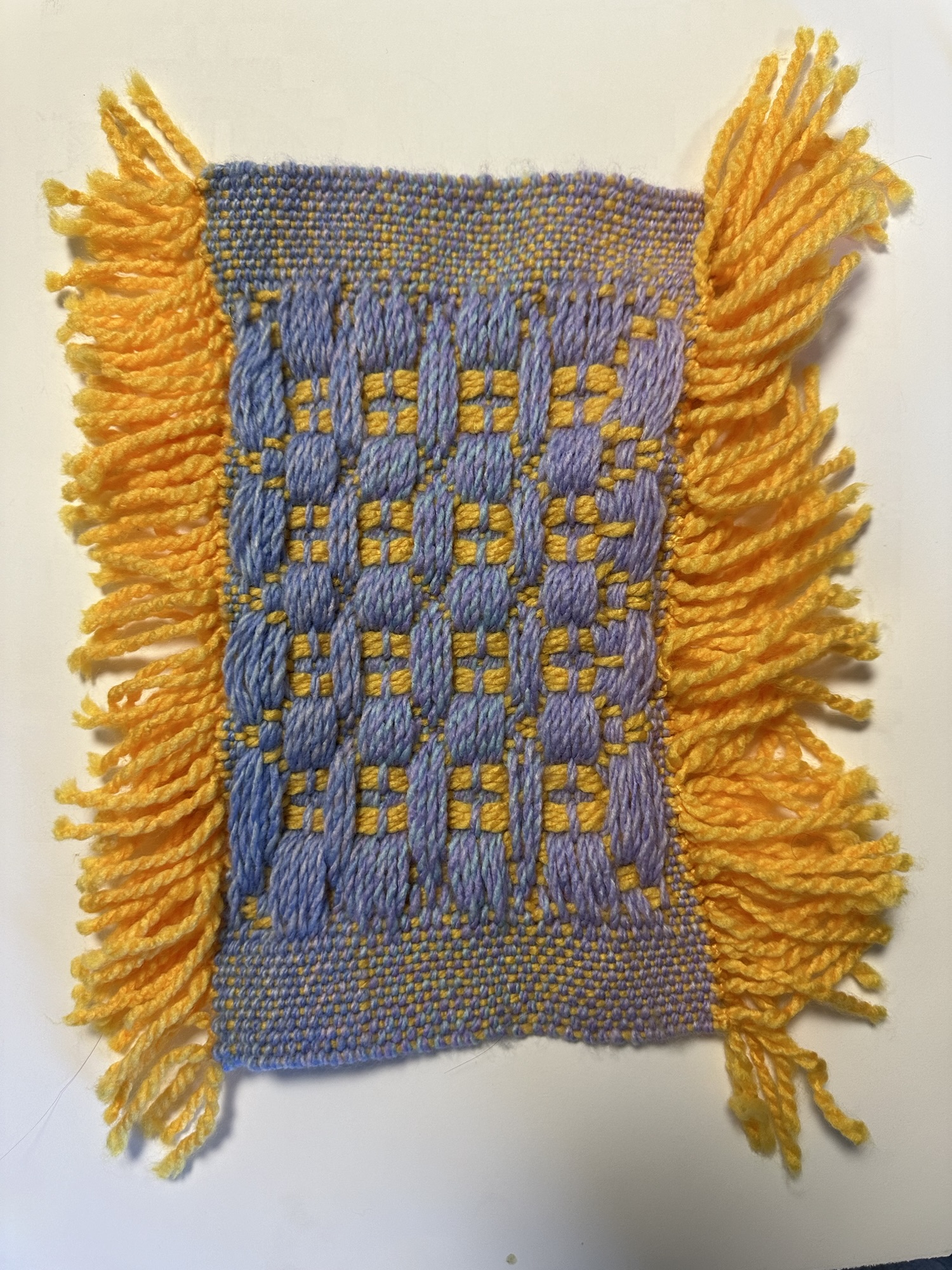
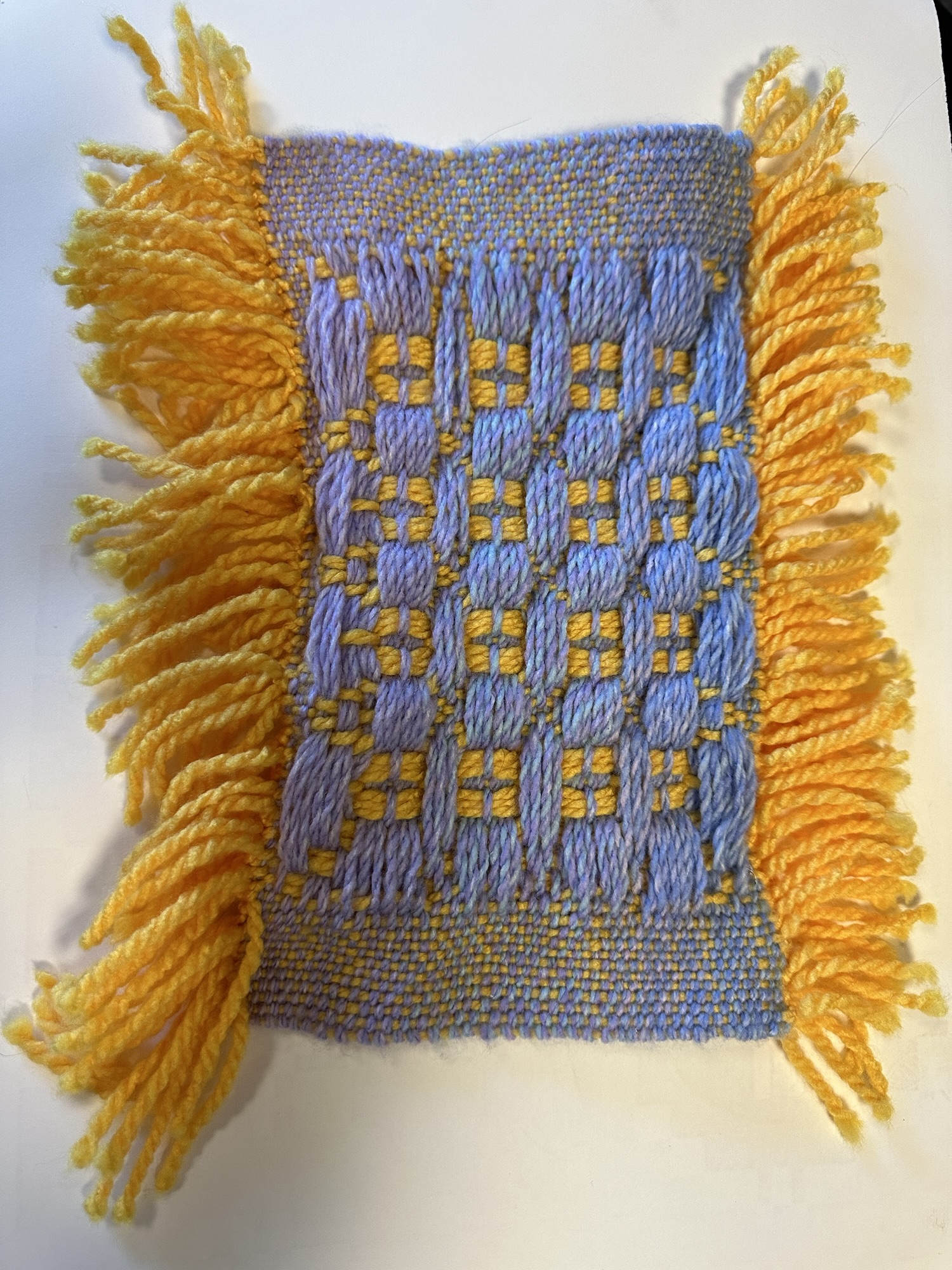
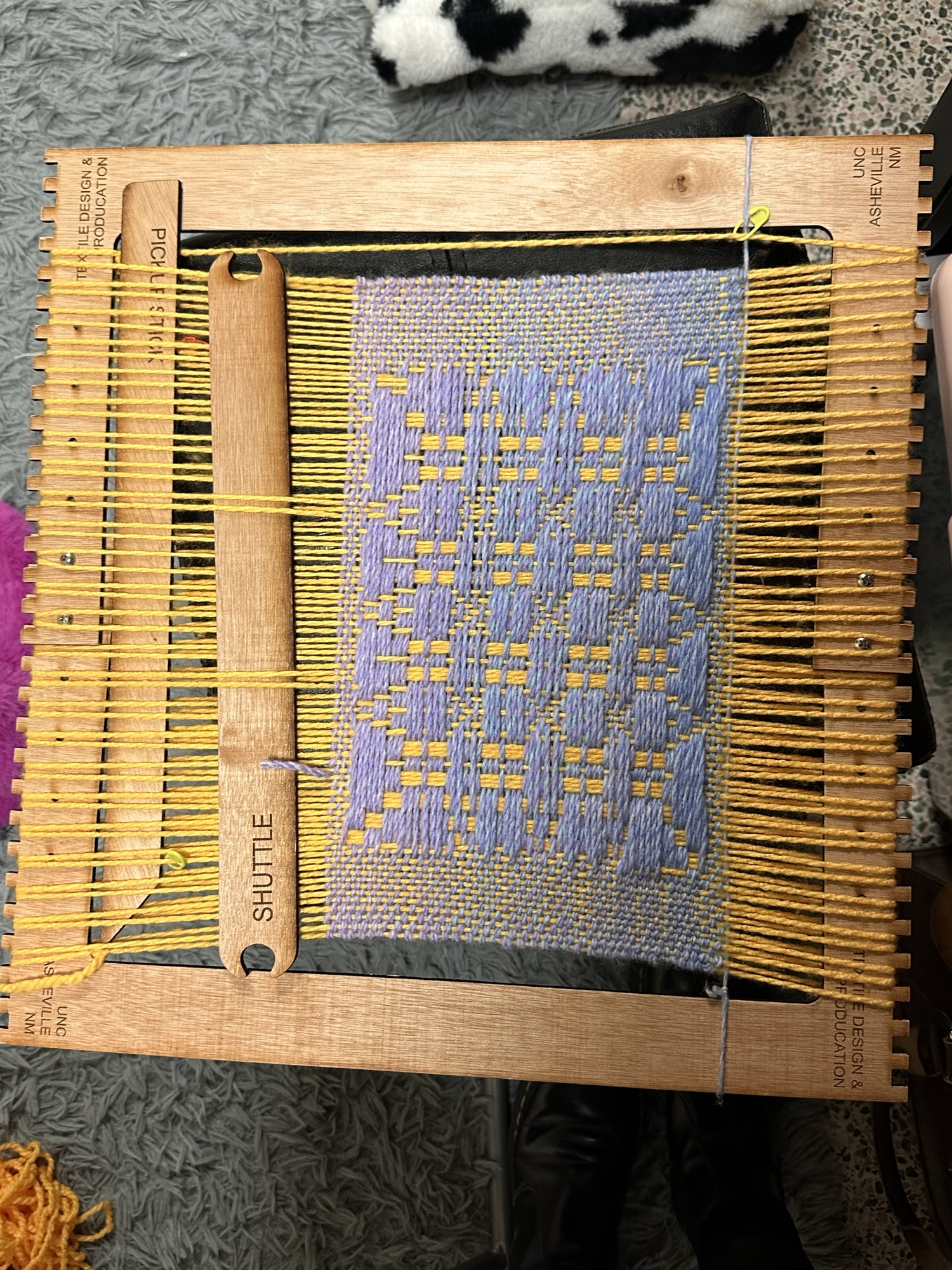
Weavings
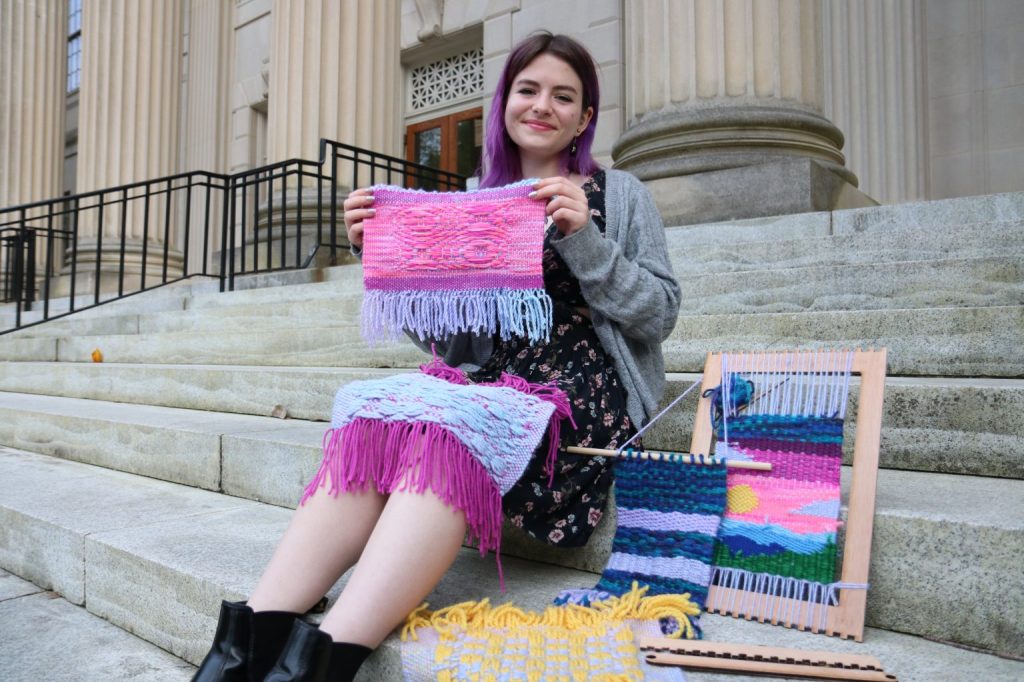
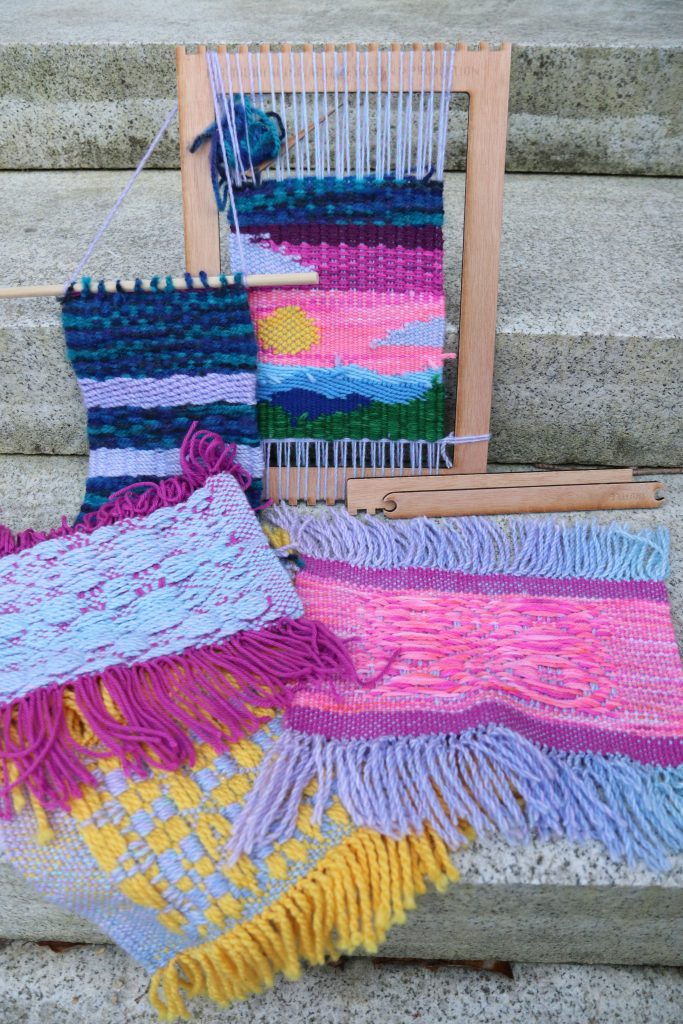
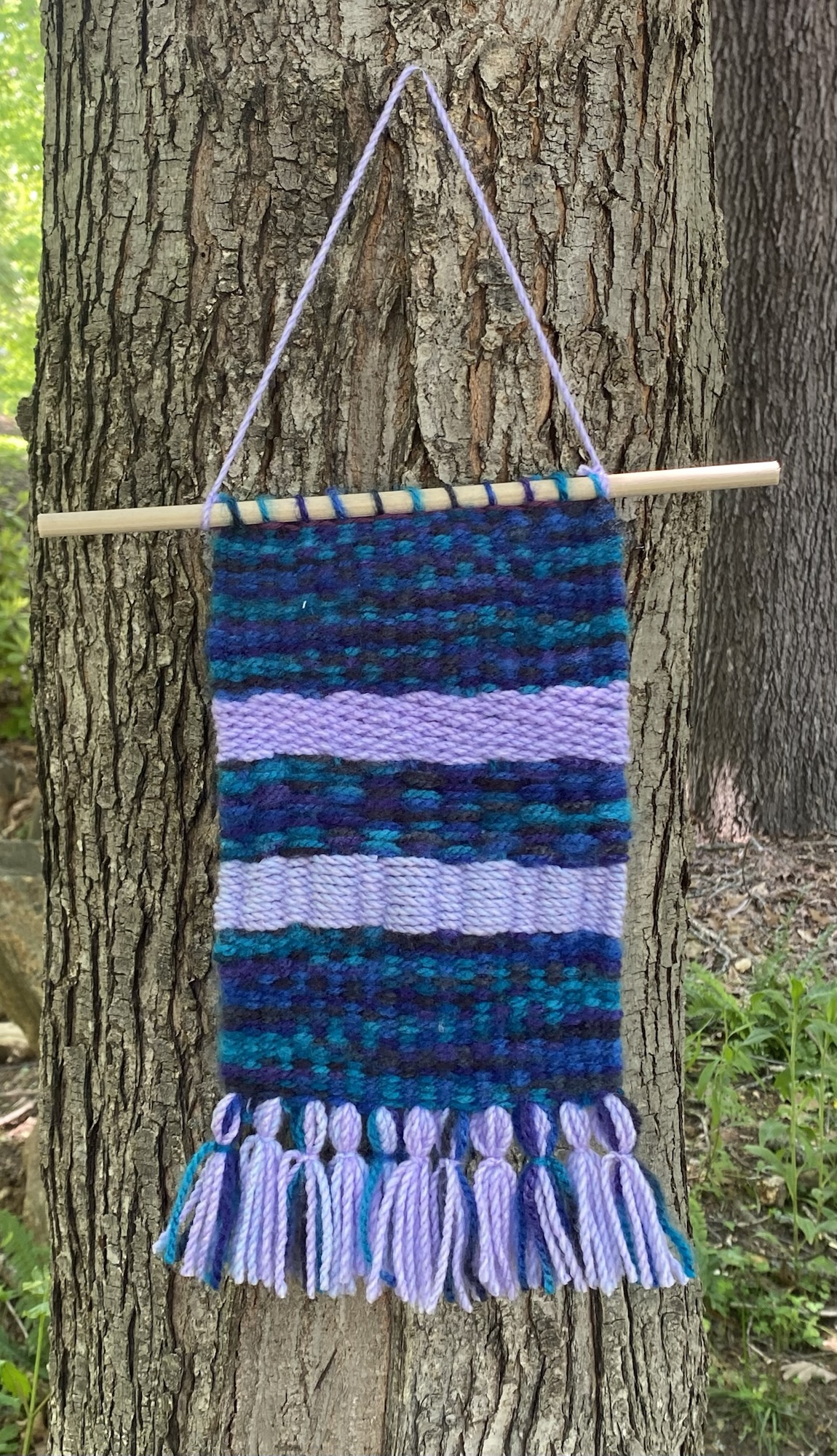
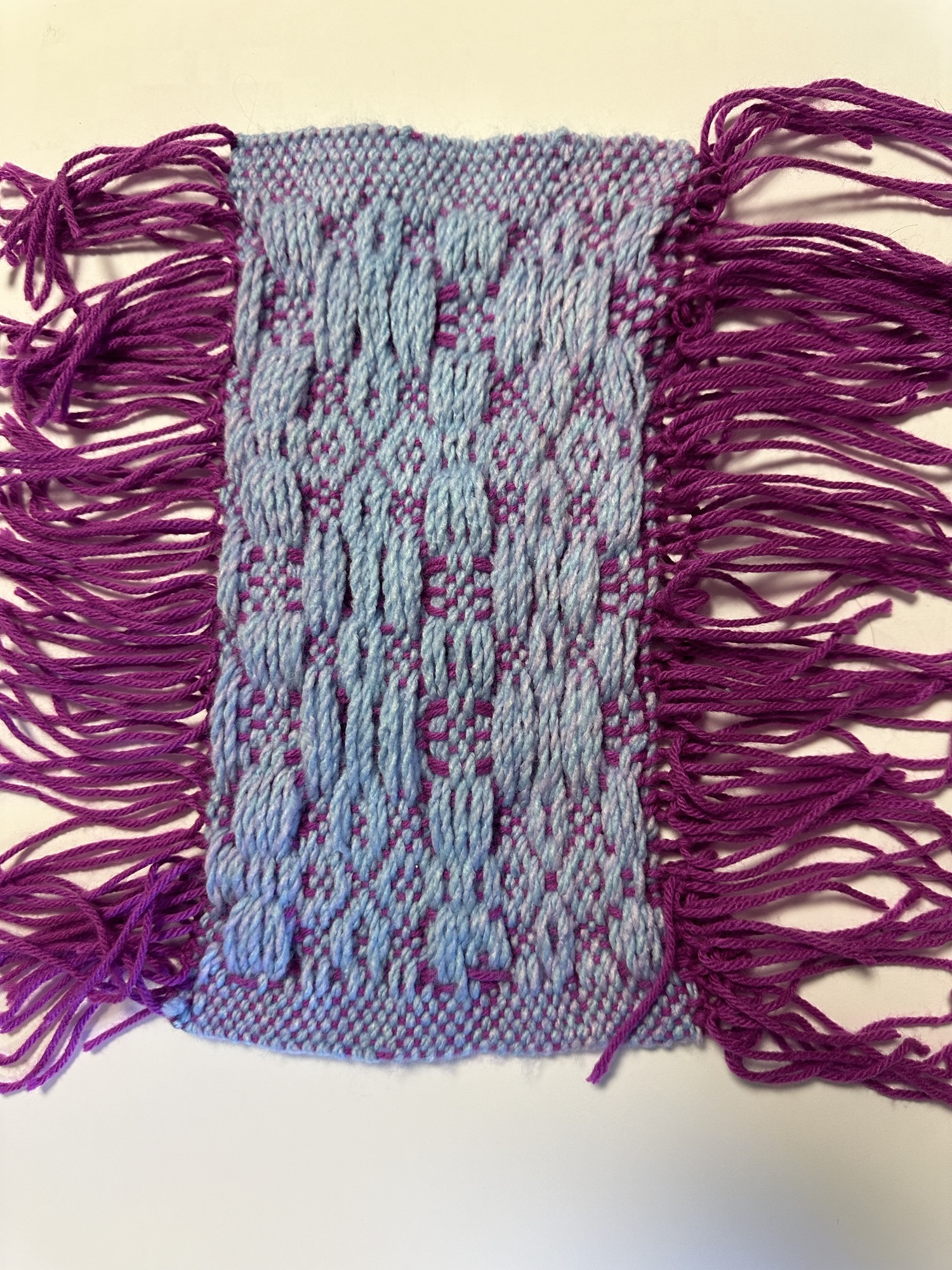
These weavings were a part of my Incubator Award project, which was featured in Windows magazine. I utilized weaving drafts from Frances Goodrich, including “Compass Work,” “Seven-pointed Star,” and “Velvet Rose.” The last image features the handloom that I used, which was made with a laser cutter at UNC Asheville.
Check out my fiber dyeing process, the second component of my Incubator Award project, below!
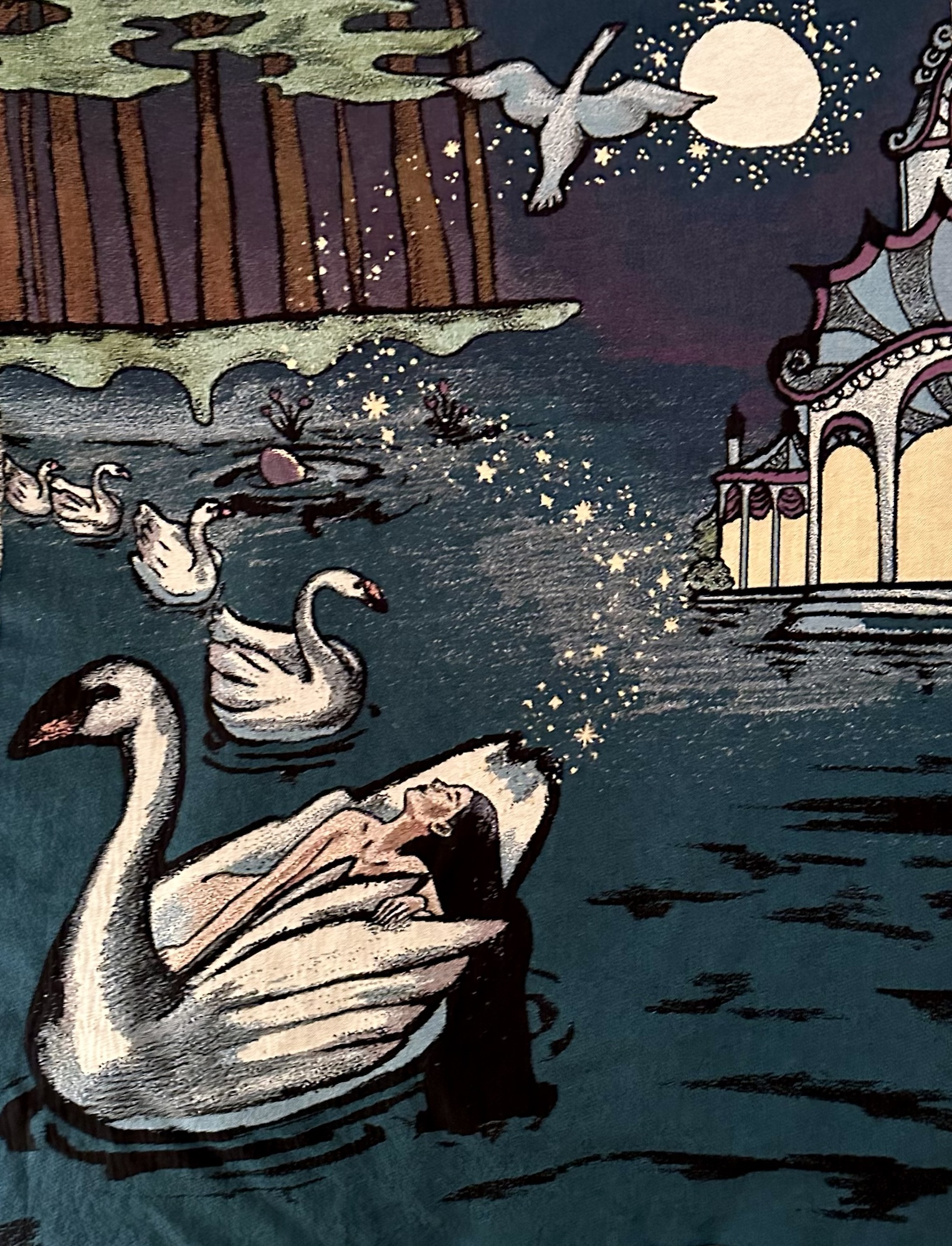
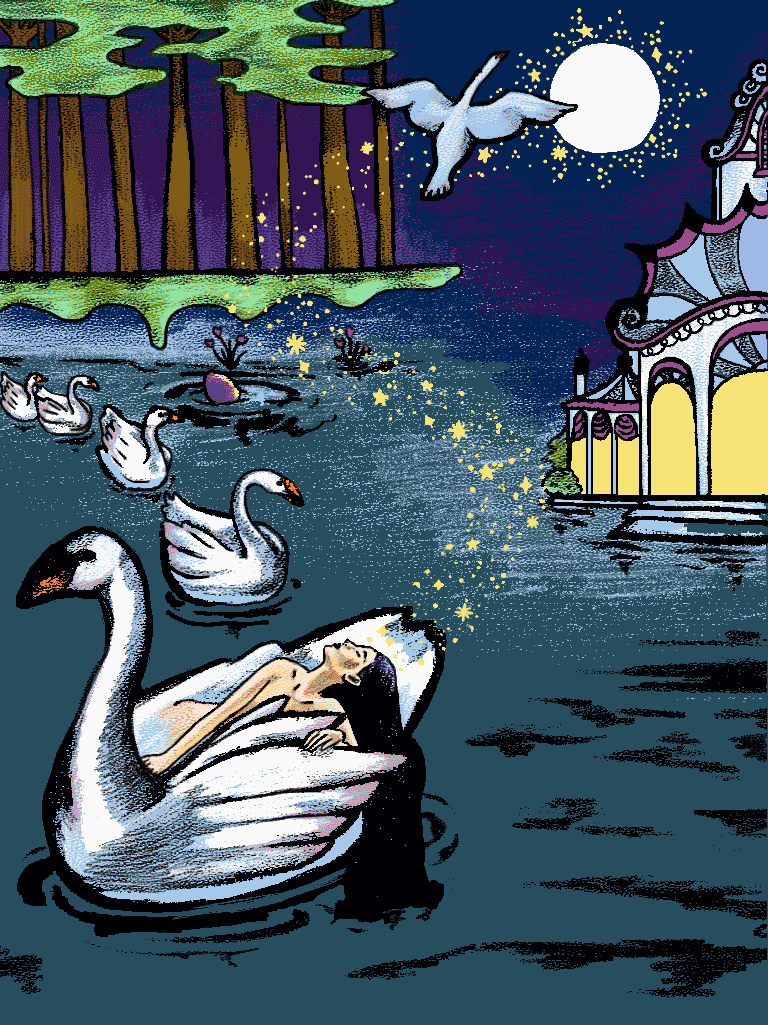
This blanket was woven on a Jacquard loom in Tryon, NC by Pure Country Weavers. Scroll to compare my design file to the final outcome!
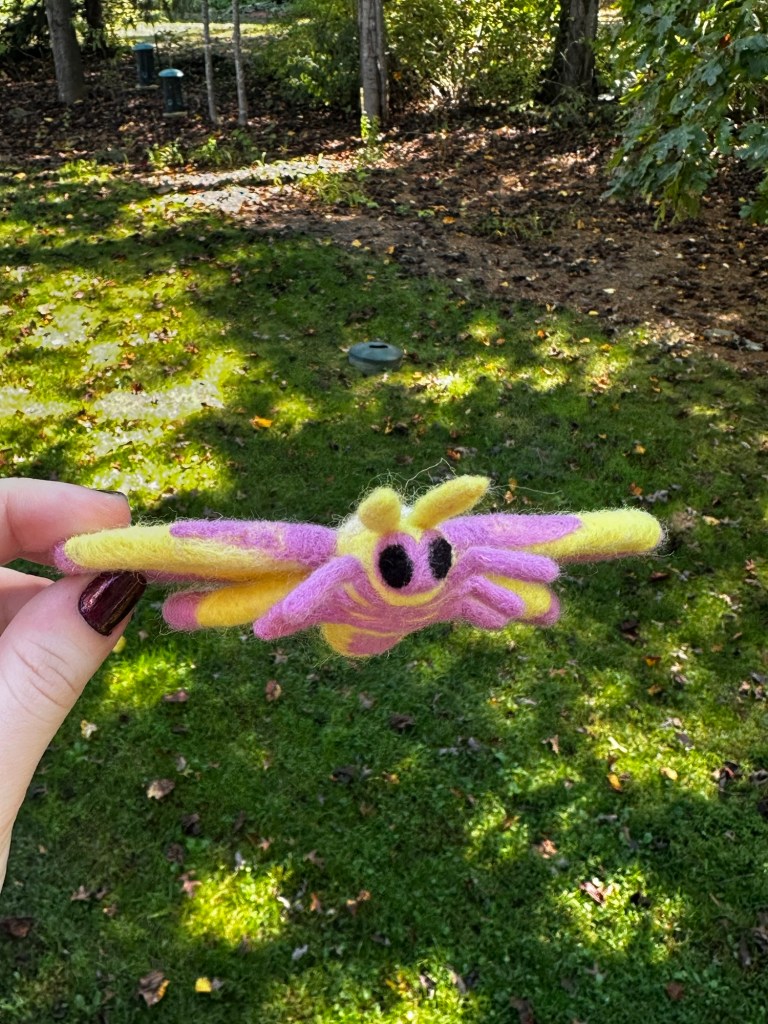
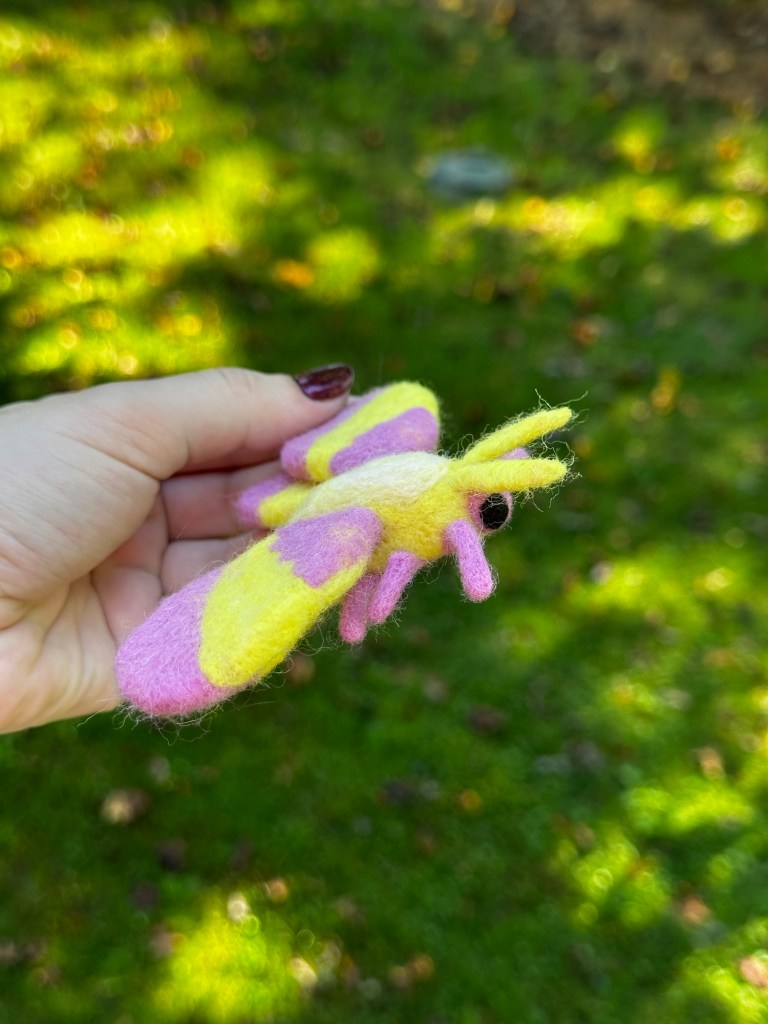
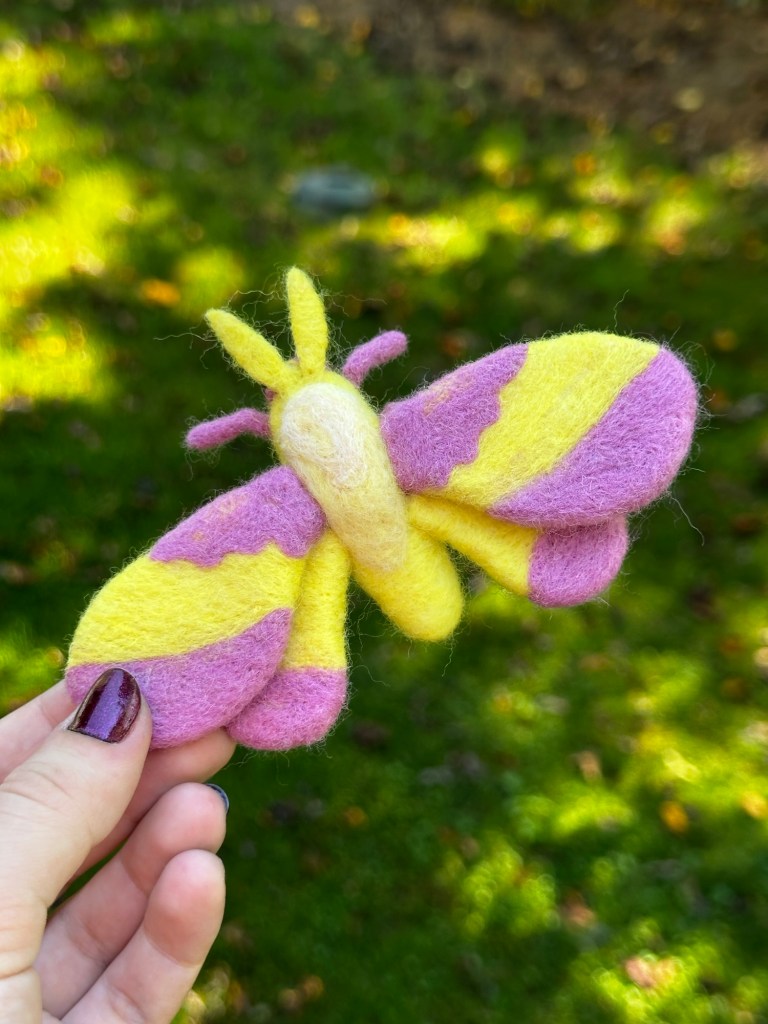
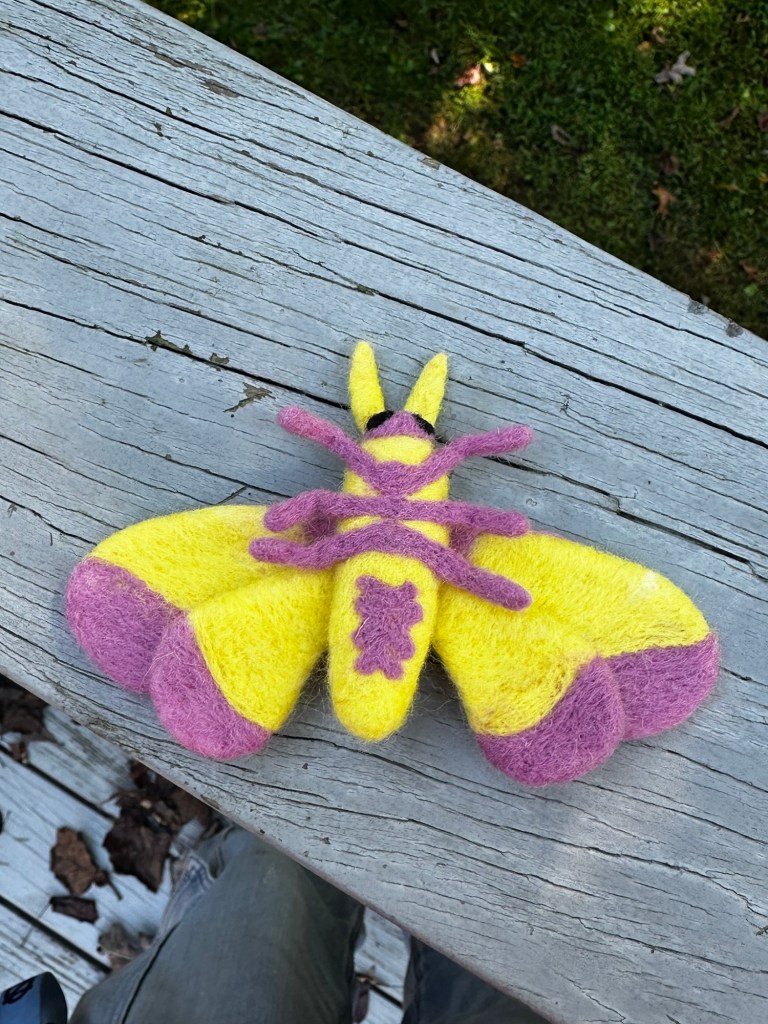
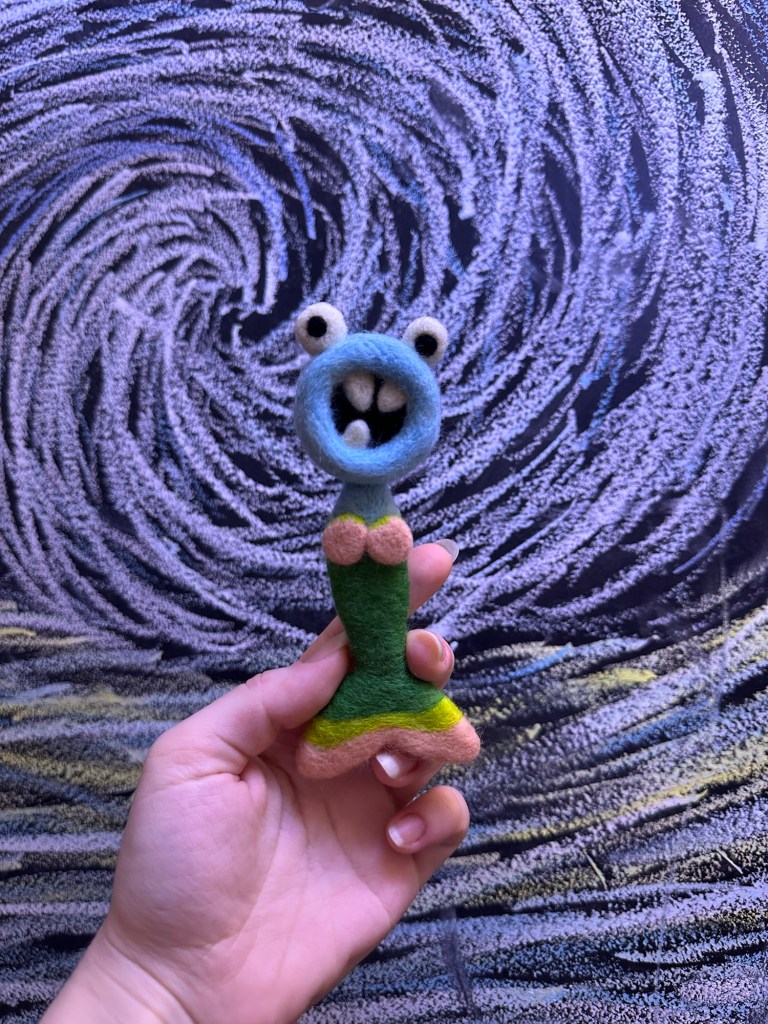
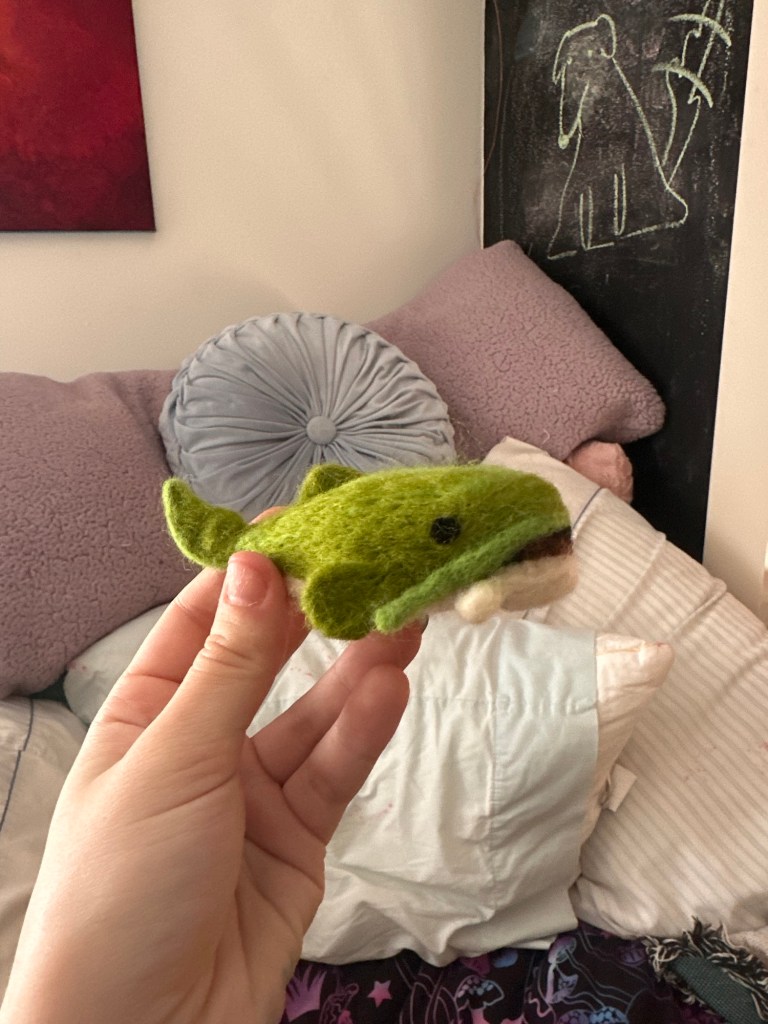
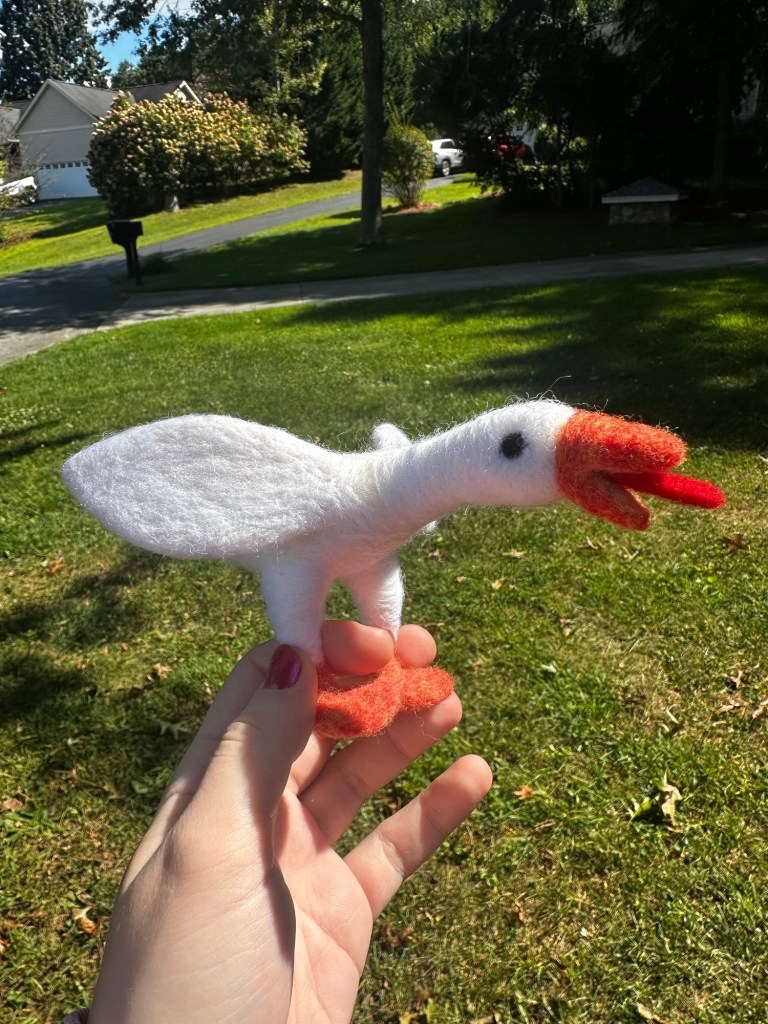
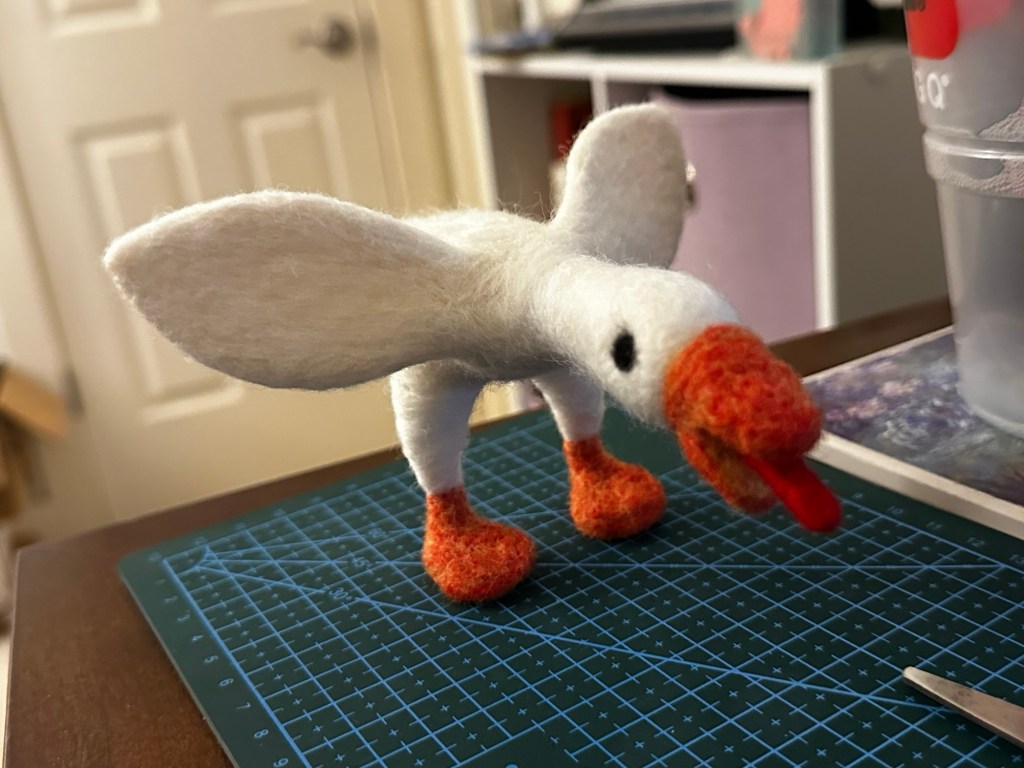
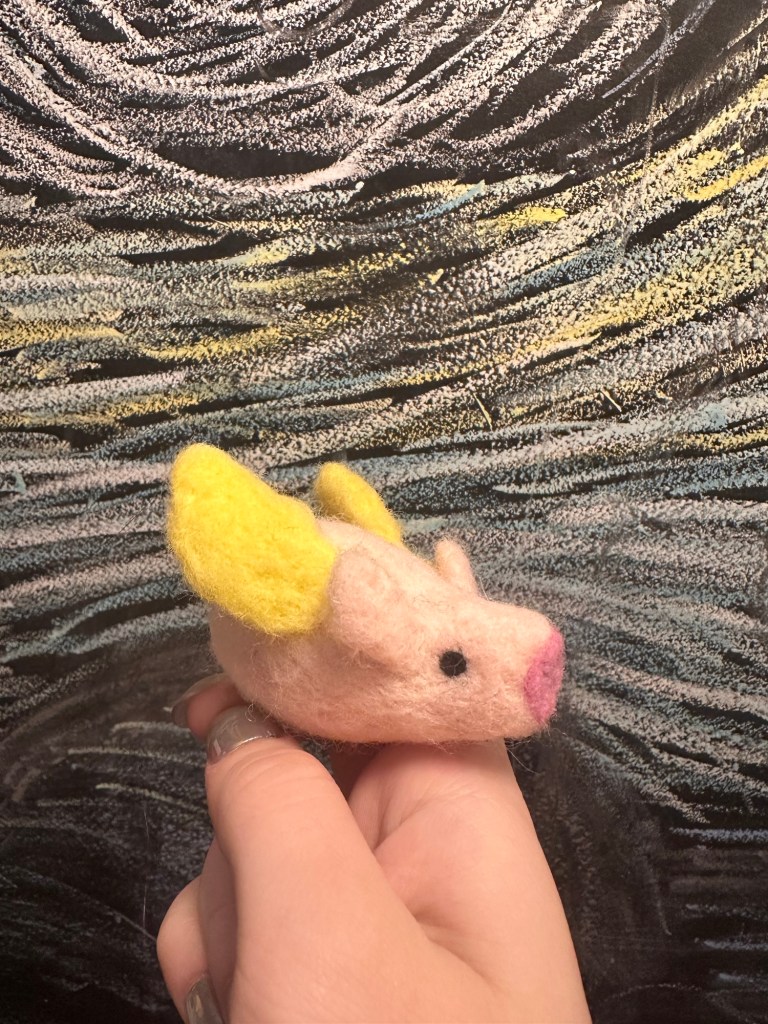
Some of my needle felt projects!
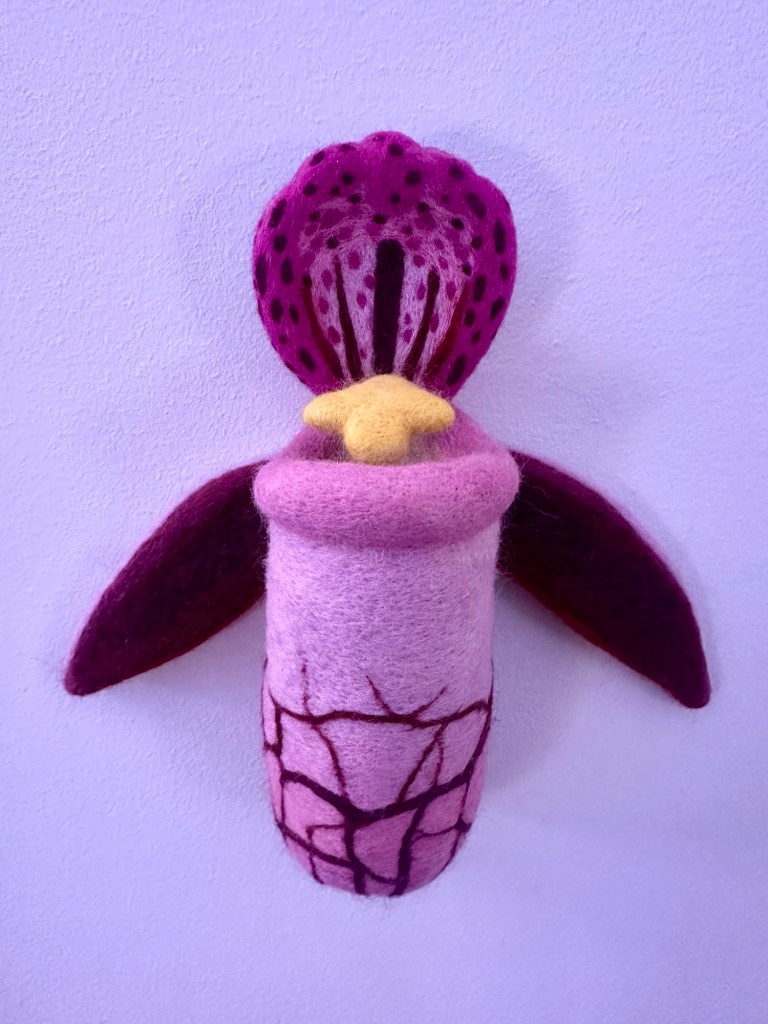
Current work in progress!
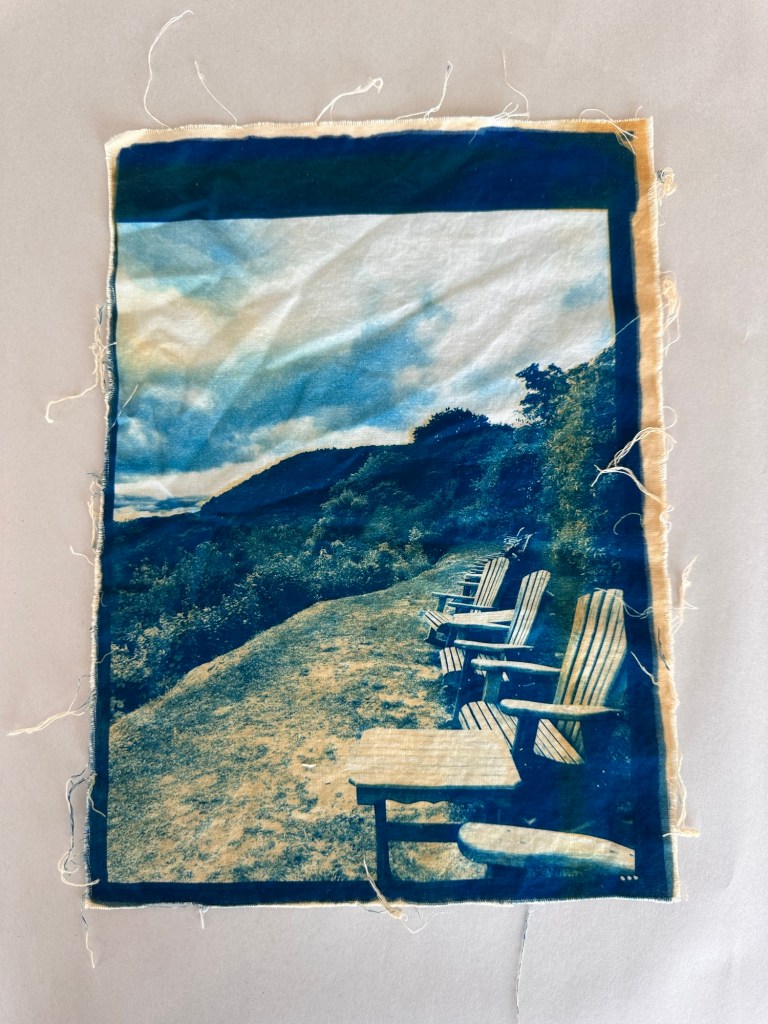
Final tricolor print 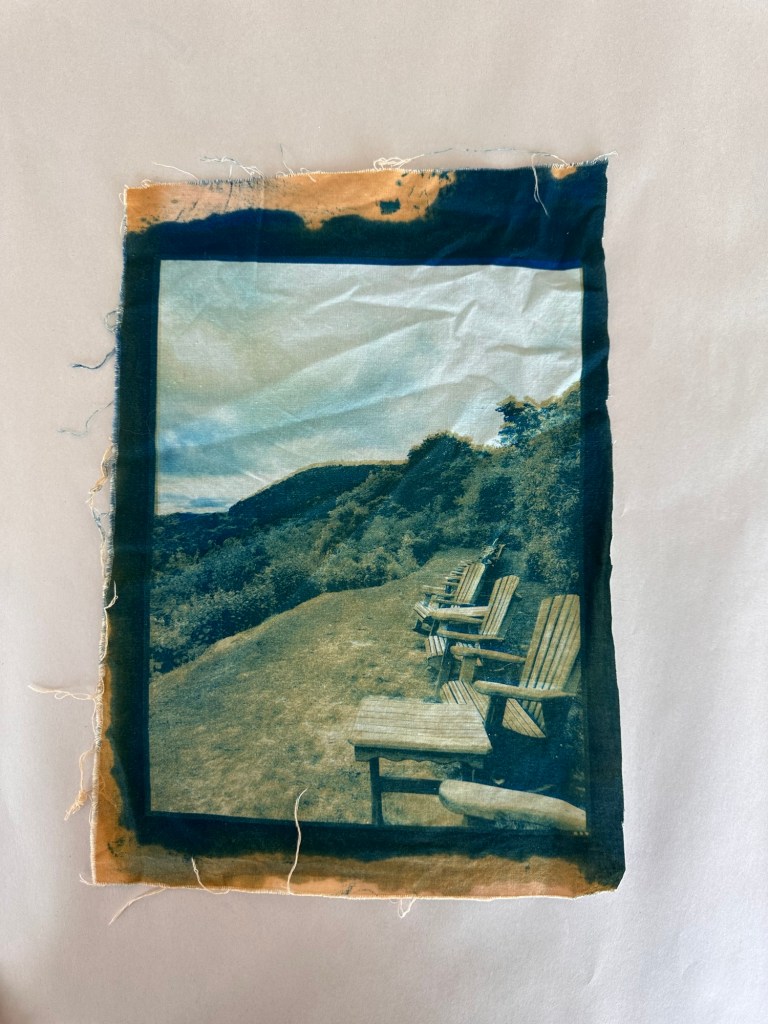
Variant 1 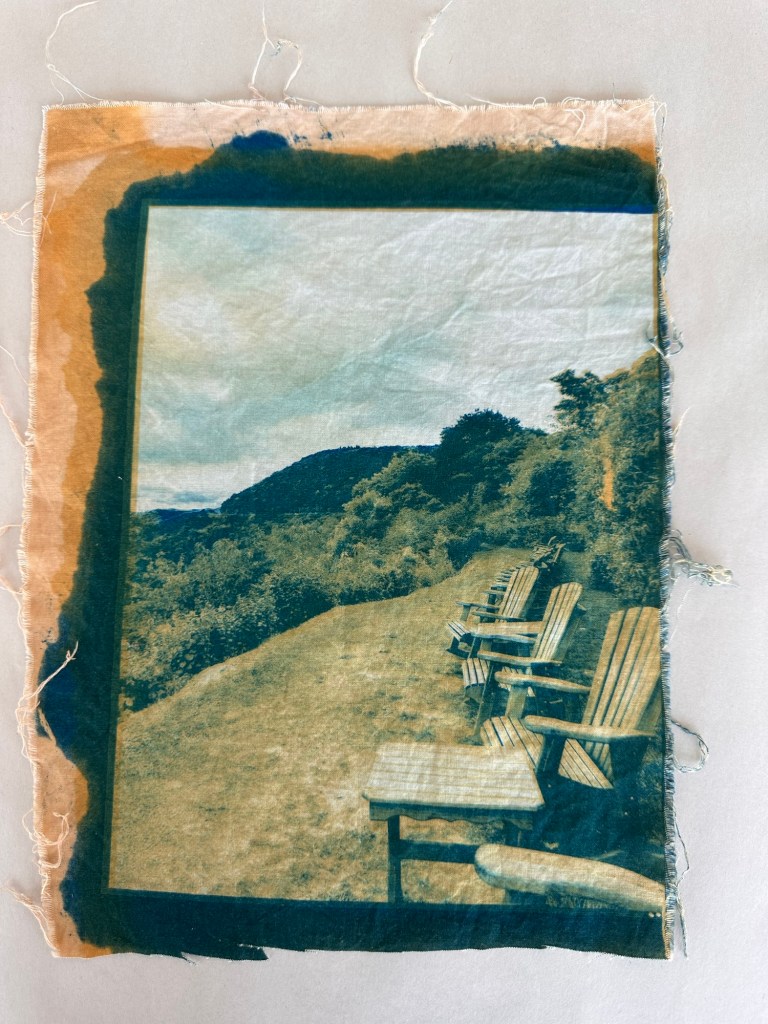
Variant 2 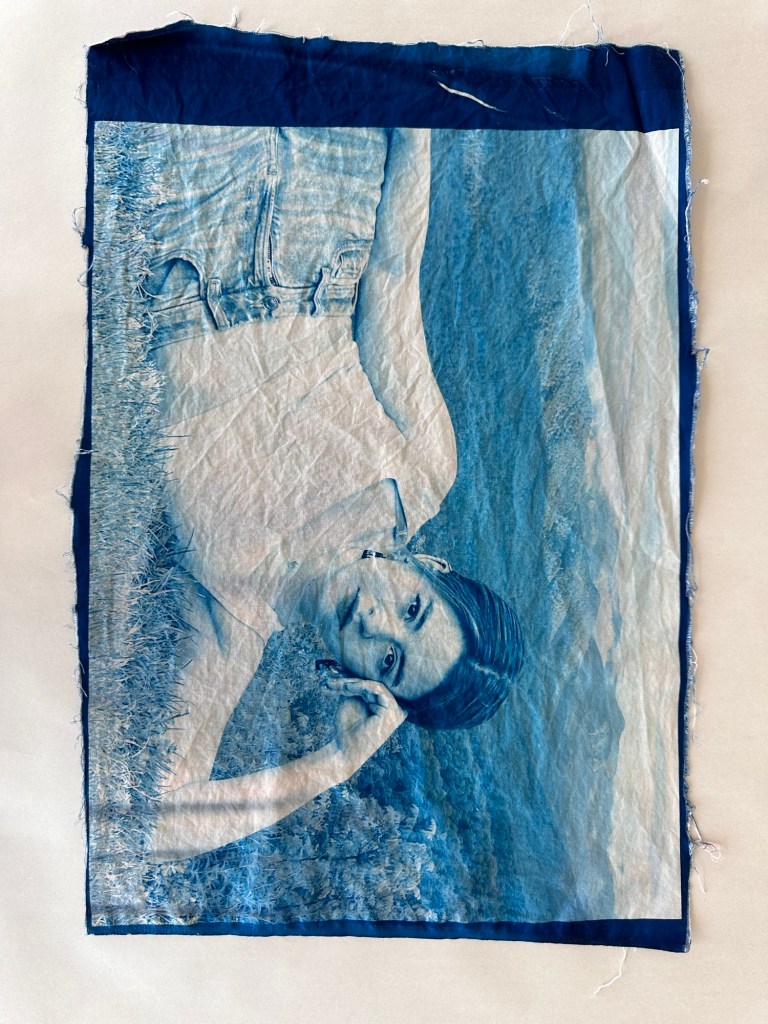
For this project, I used 3 pieces of film per photo, separated into magenta, yellow, and blue color layers. This is the magenta layer. 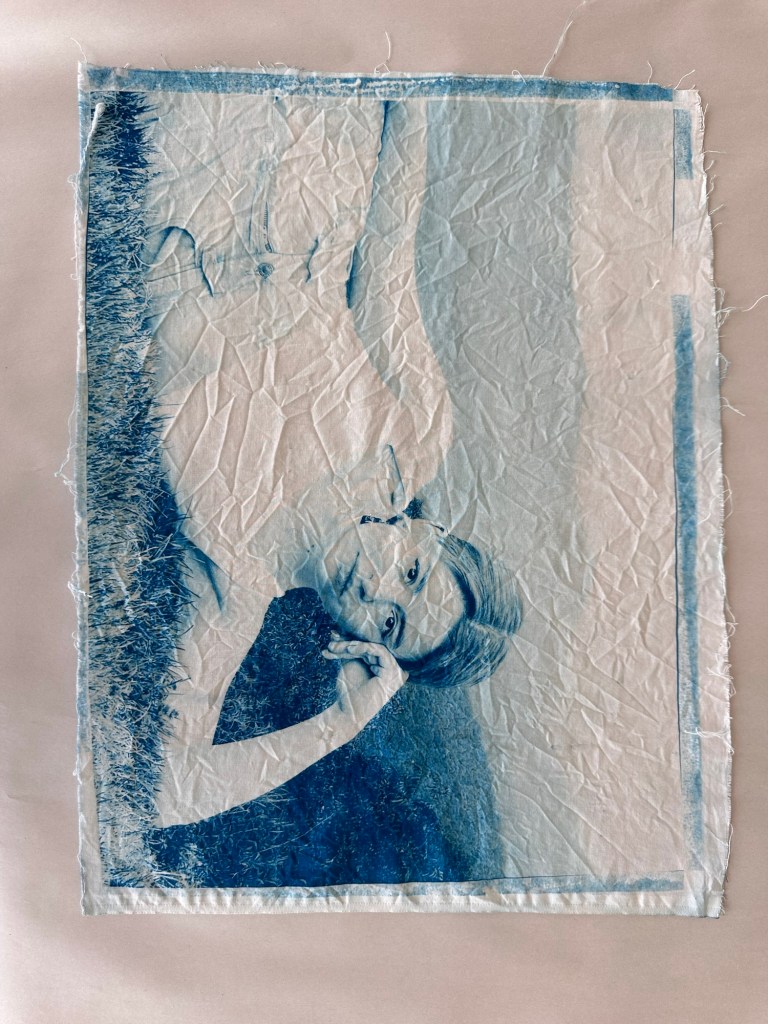
Yellow layer 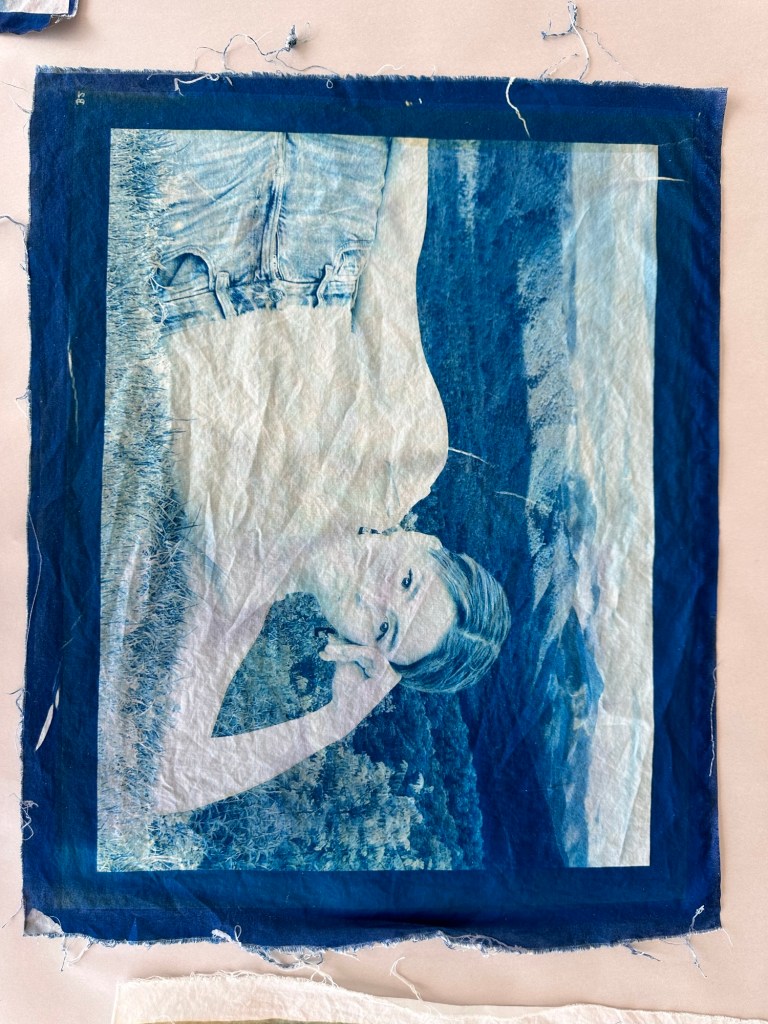
Blue layer 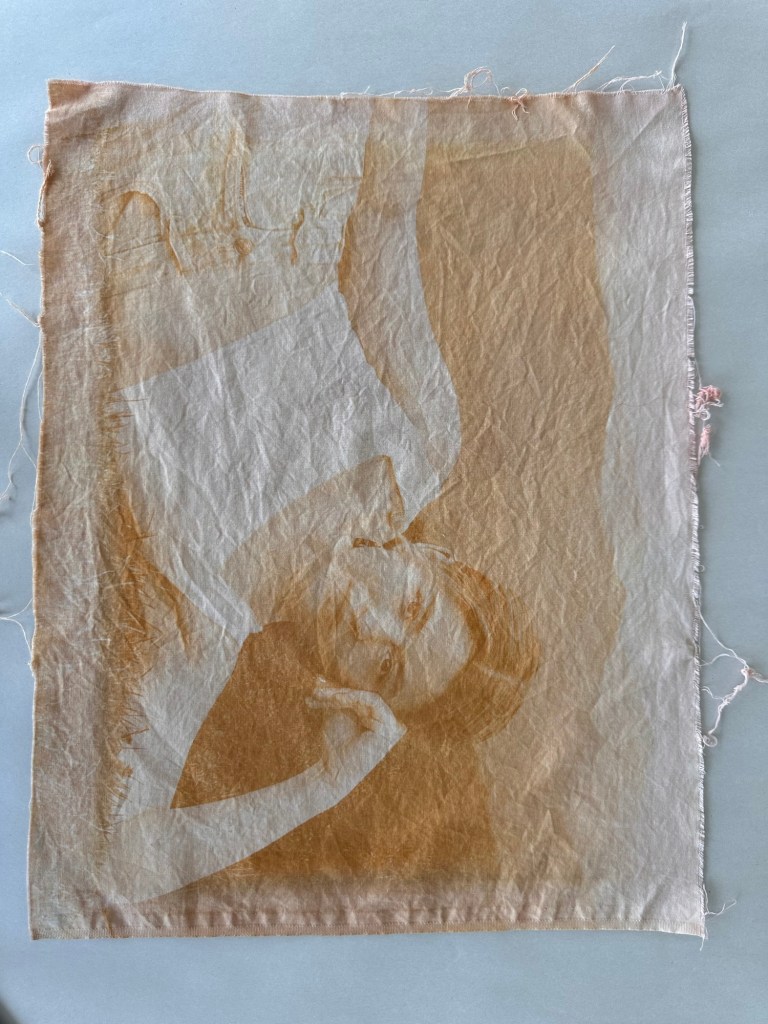
After bleaching 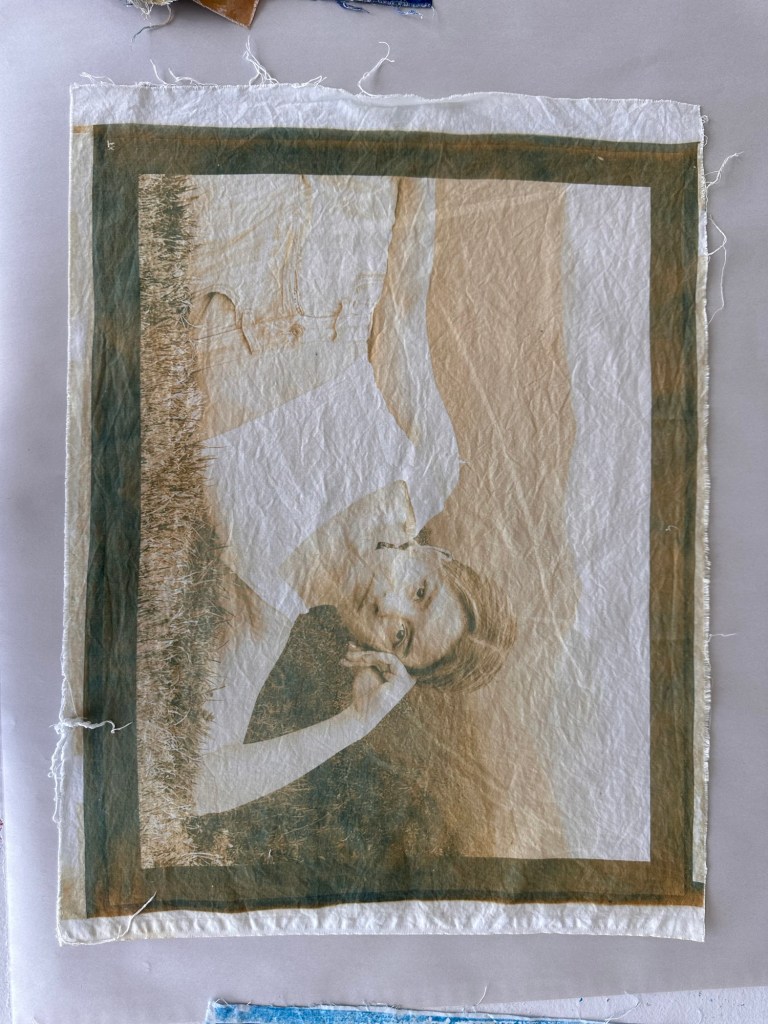
Second layer, second round of bleach 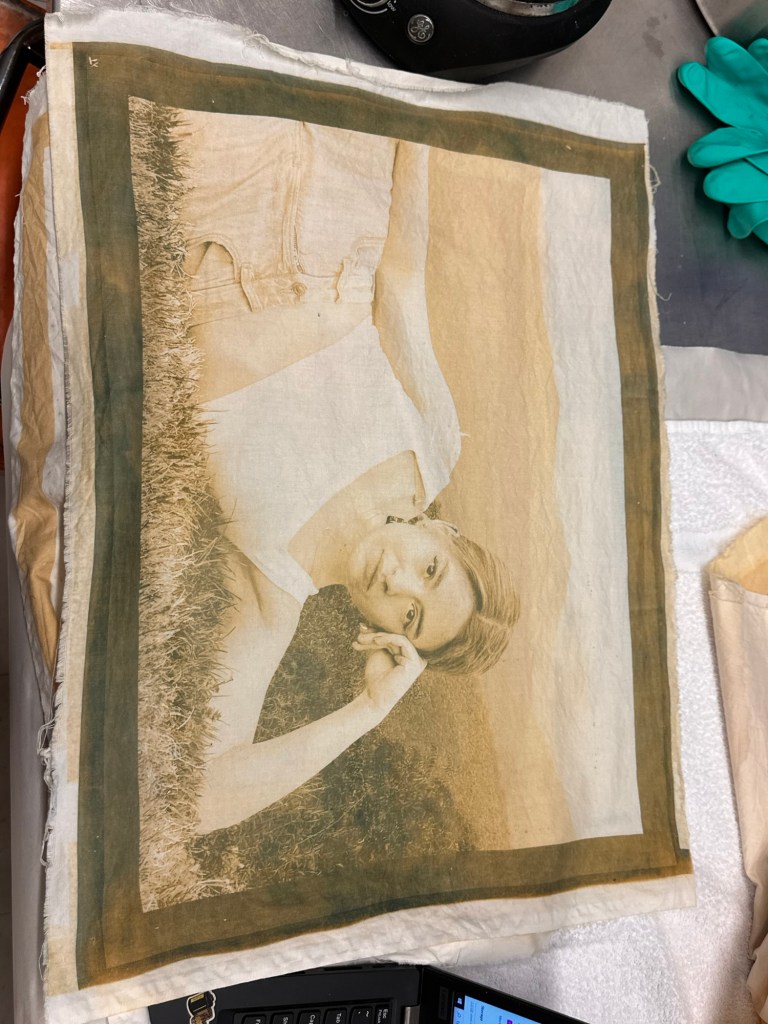
Another photo, more true to color 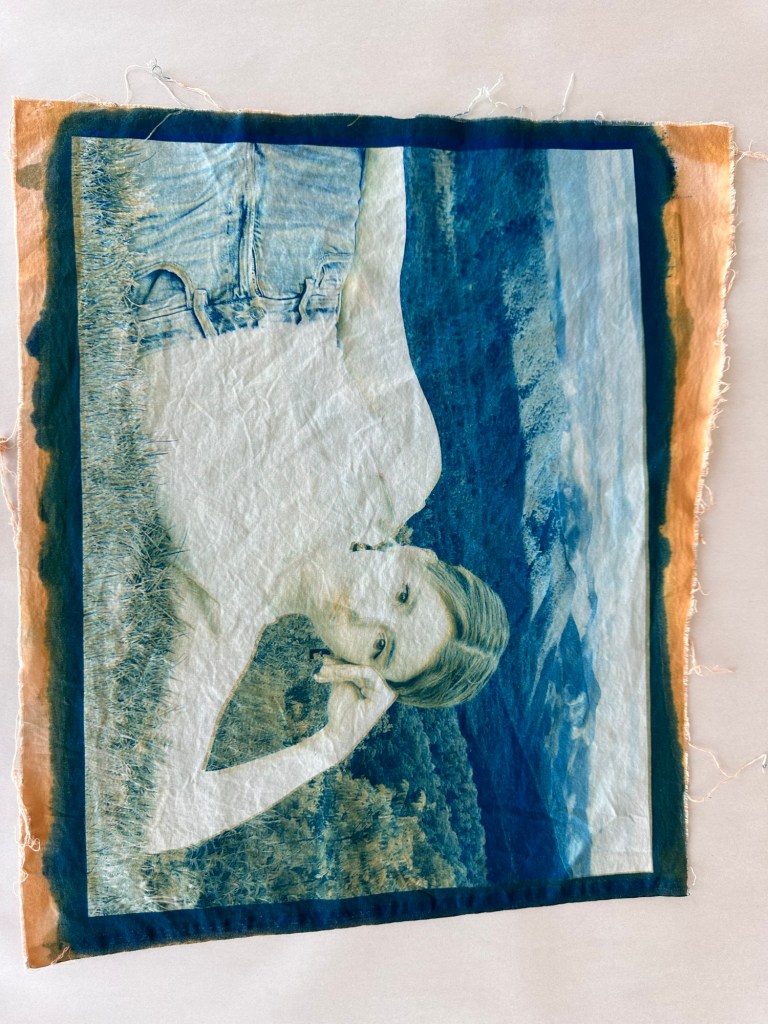
Final tricolor print! 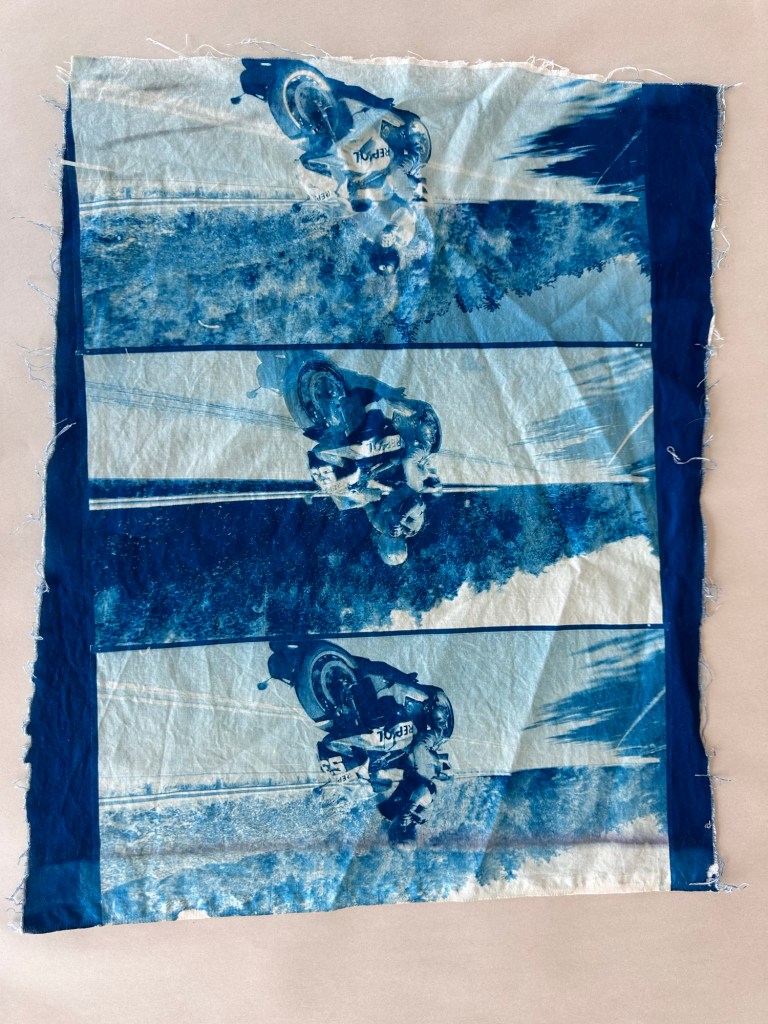
Yellow, Magenta, and Cyan layers printed separately 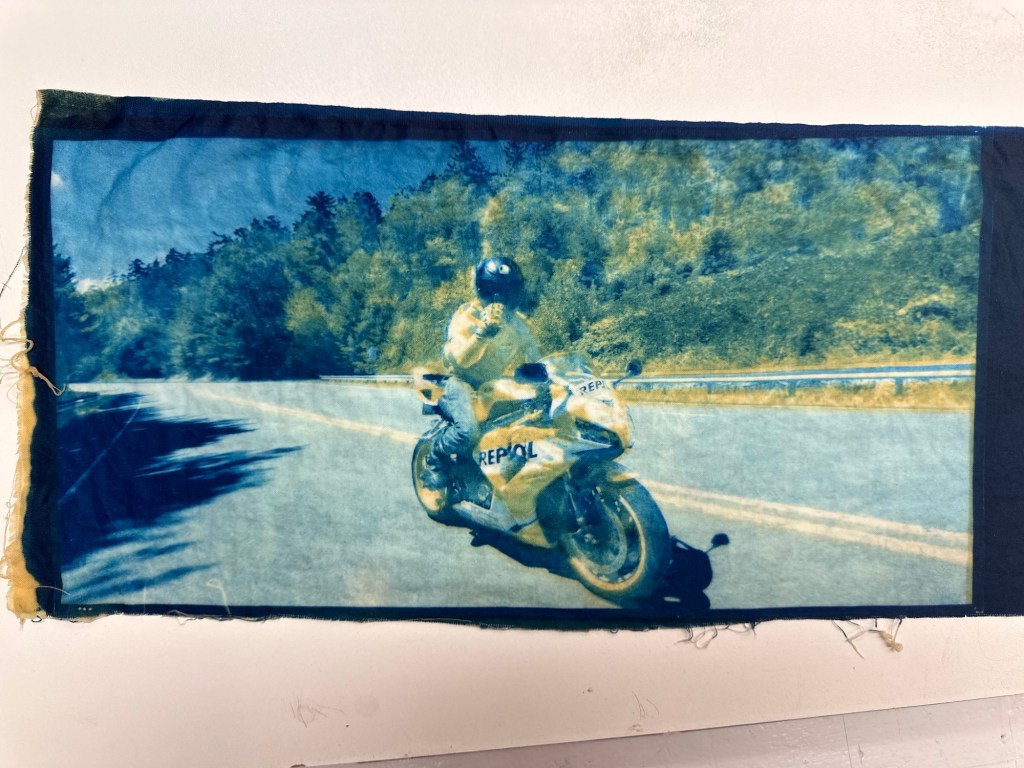
Final tricolor print! 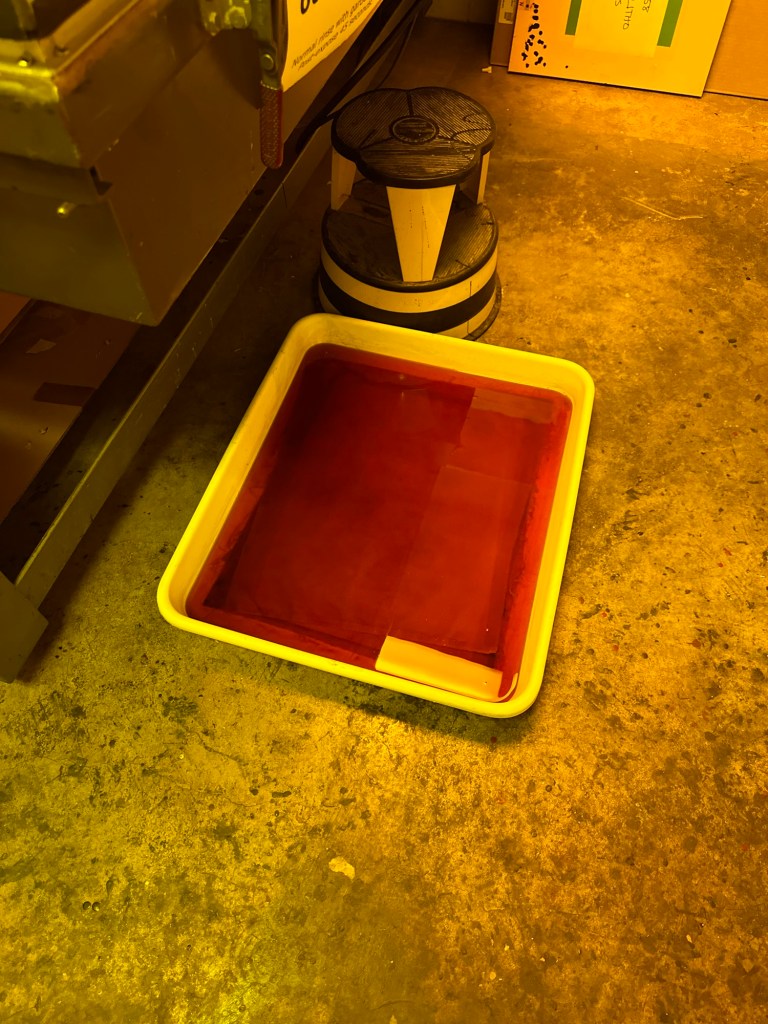
Madder bath to add magenta tint back 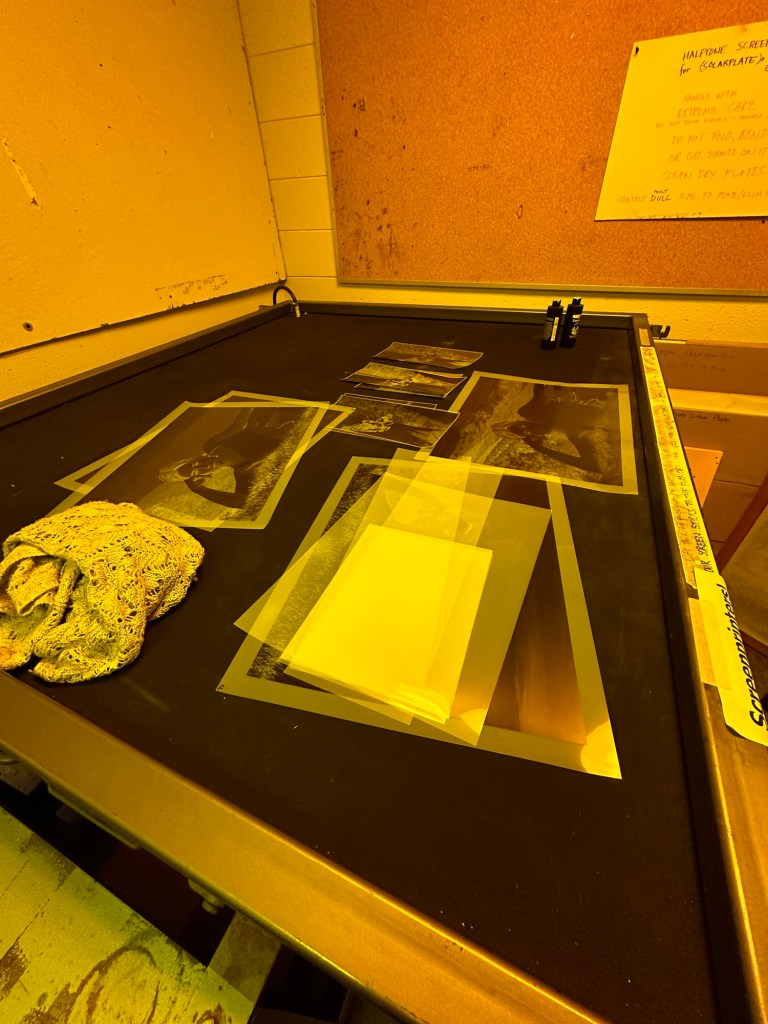
All of my film!
Tricolor cyanotype experiment
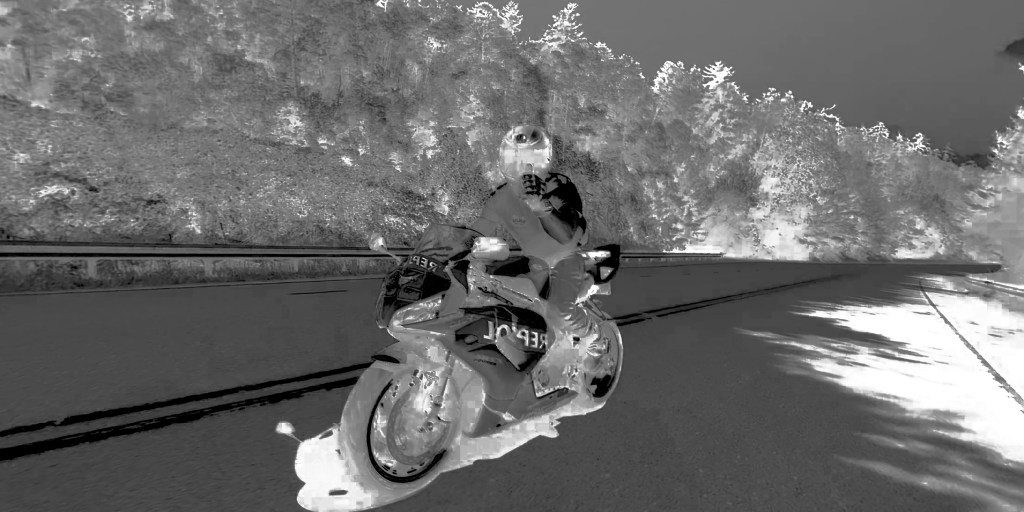
For my final project in college printmaking (ever!), I decided to experiment with printing tricolor cyanotypes on cotton fabric. Essentially, I separated my original image into three layers by primary color, so I ended up with three pieces of film per photograph. Each layer represented one of the primary colors: blue, yellow, and magenta. Interestingly, the first two layers (yellow and magenta) are printed with blue cyanotype and then bleached. For the magenta, I placed the prints in a madder dye bath after bleaching (and rinsing/neutralizing). The final layer was the blue layer, which was printed like a regular cyanotype print (no bleaching required)! If I did this project again, I would use paper and pre-shrink it. I ended up with some fuzzy sections and a bit of distortion in each print because I was repeatedly rinsing and drying fabric.
Below, you can view an example of cyan, magenta, and yellow negatives.
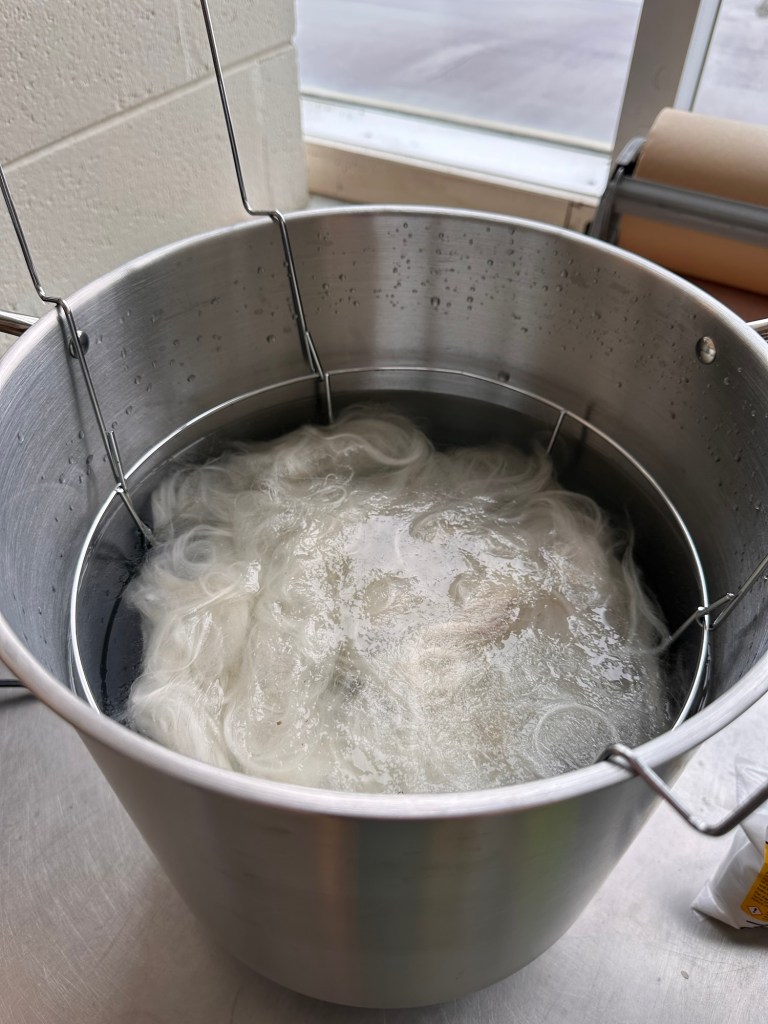
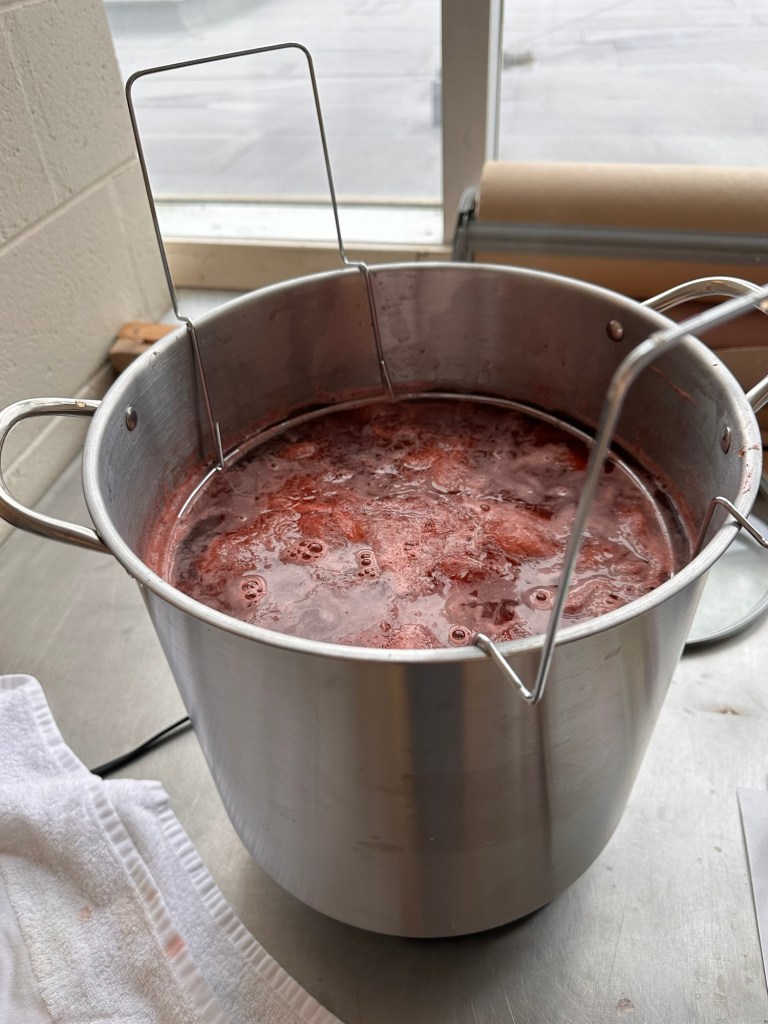
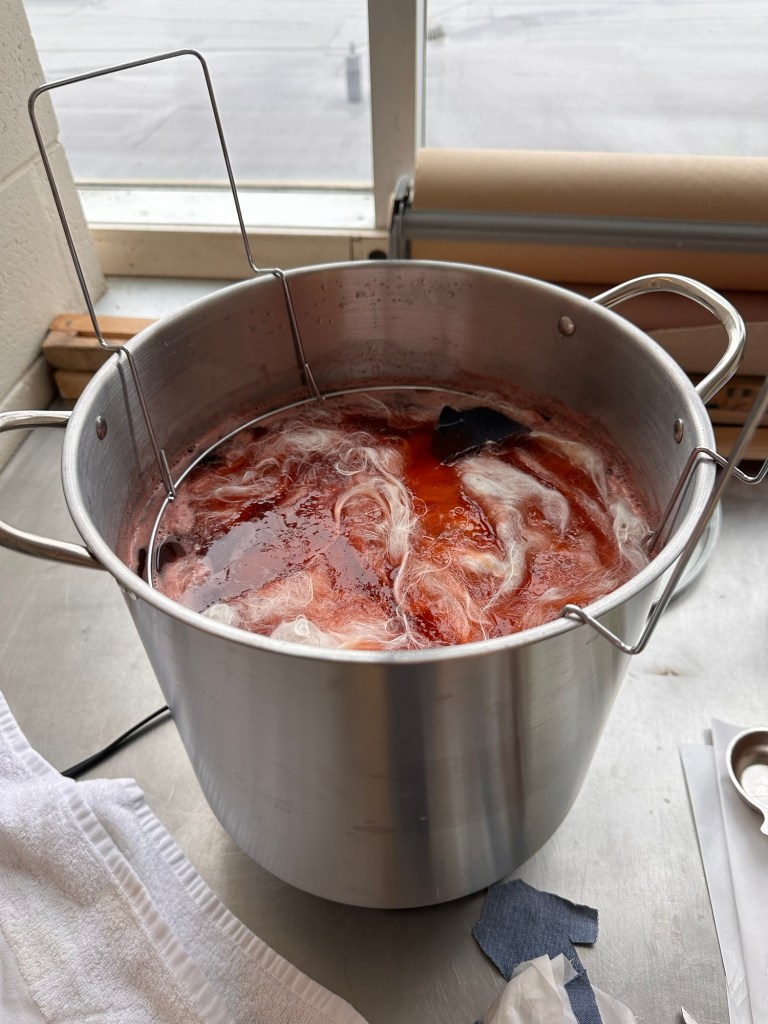
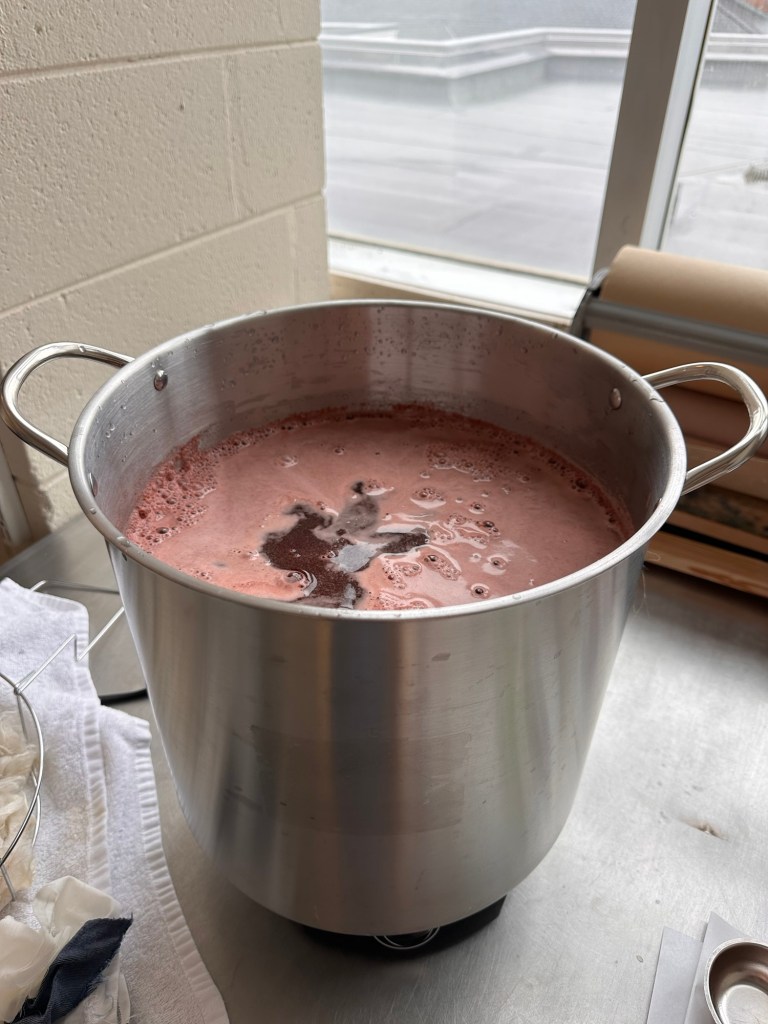
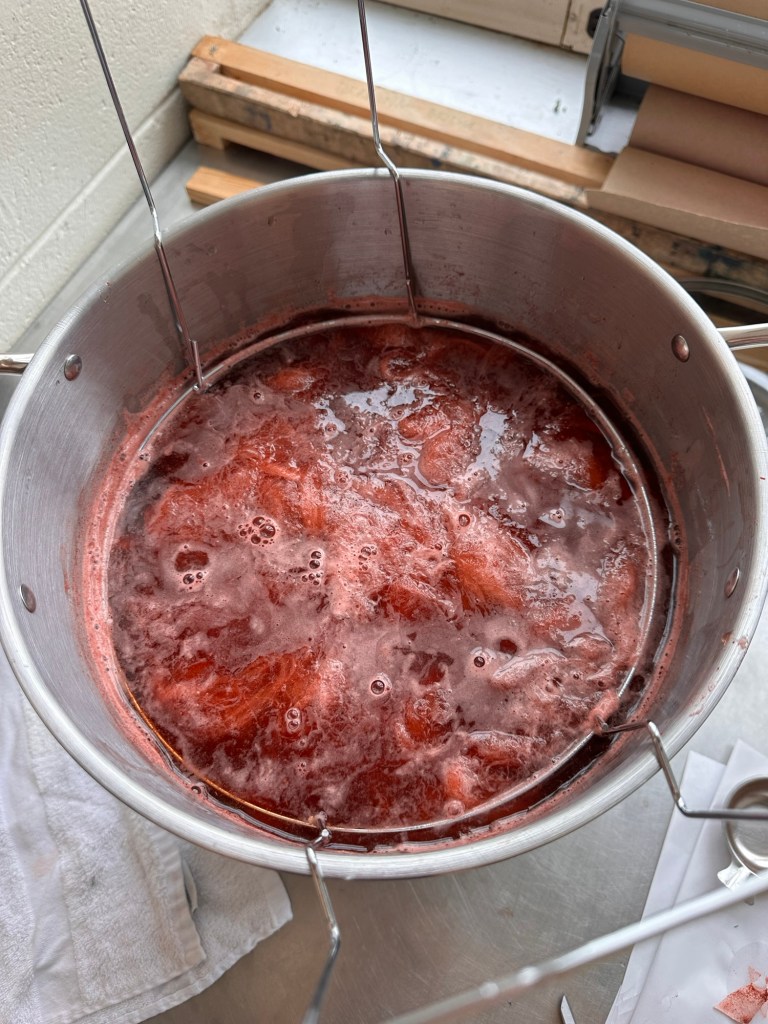
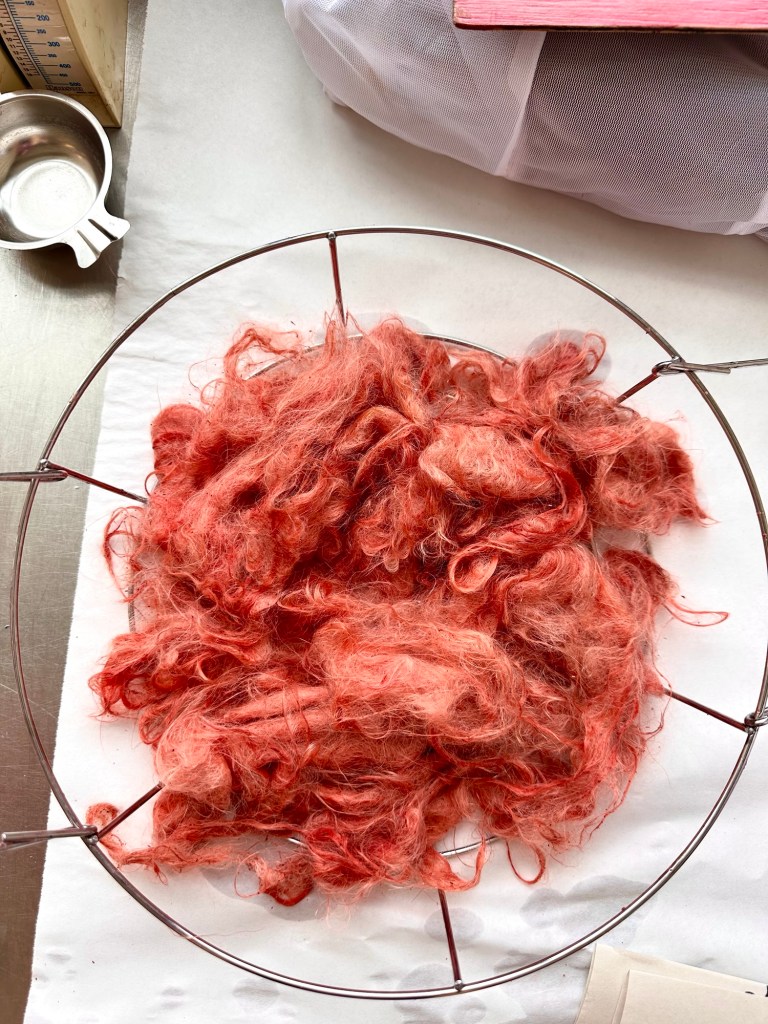
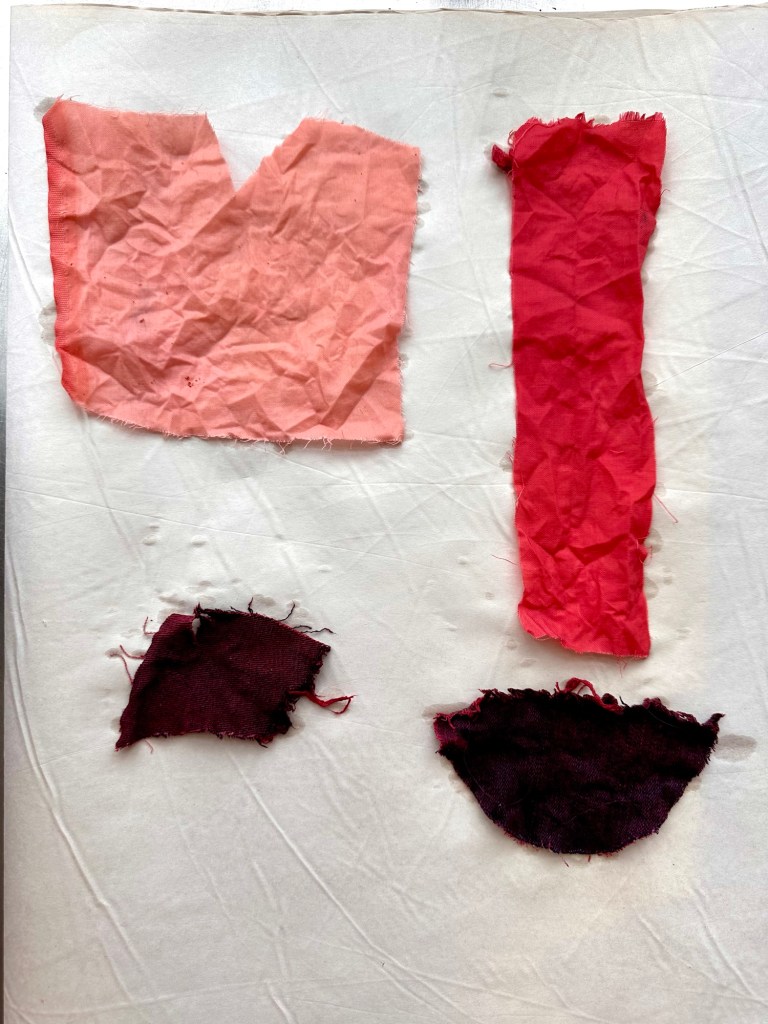
Dyeing alpaca fiber with rose madder
While in college, I received the Incubator Award research grant to create a project utilizing the UNC University Libraries’ special collections. My research focused on the Appalachian Craft Revival and the history of textiles in Appalachia, with a focus on Western North Carolina. The alpaca fiber was gifted to me by Ellaberry Farms in Flat Rock, NC. This dye recipe is from Emma Conley’s “Vegetable Dyeing,” published in 1954 by the Penland School of Craft in Bakersville, NC. This was quite a labor intensive process! I had to pick debris out of the wool, wash and rinse it until the water ran clear, give it an alum bath, add it to the madder dye bath, and then comb and card the wool.
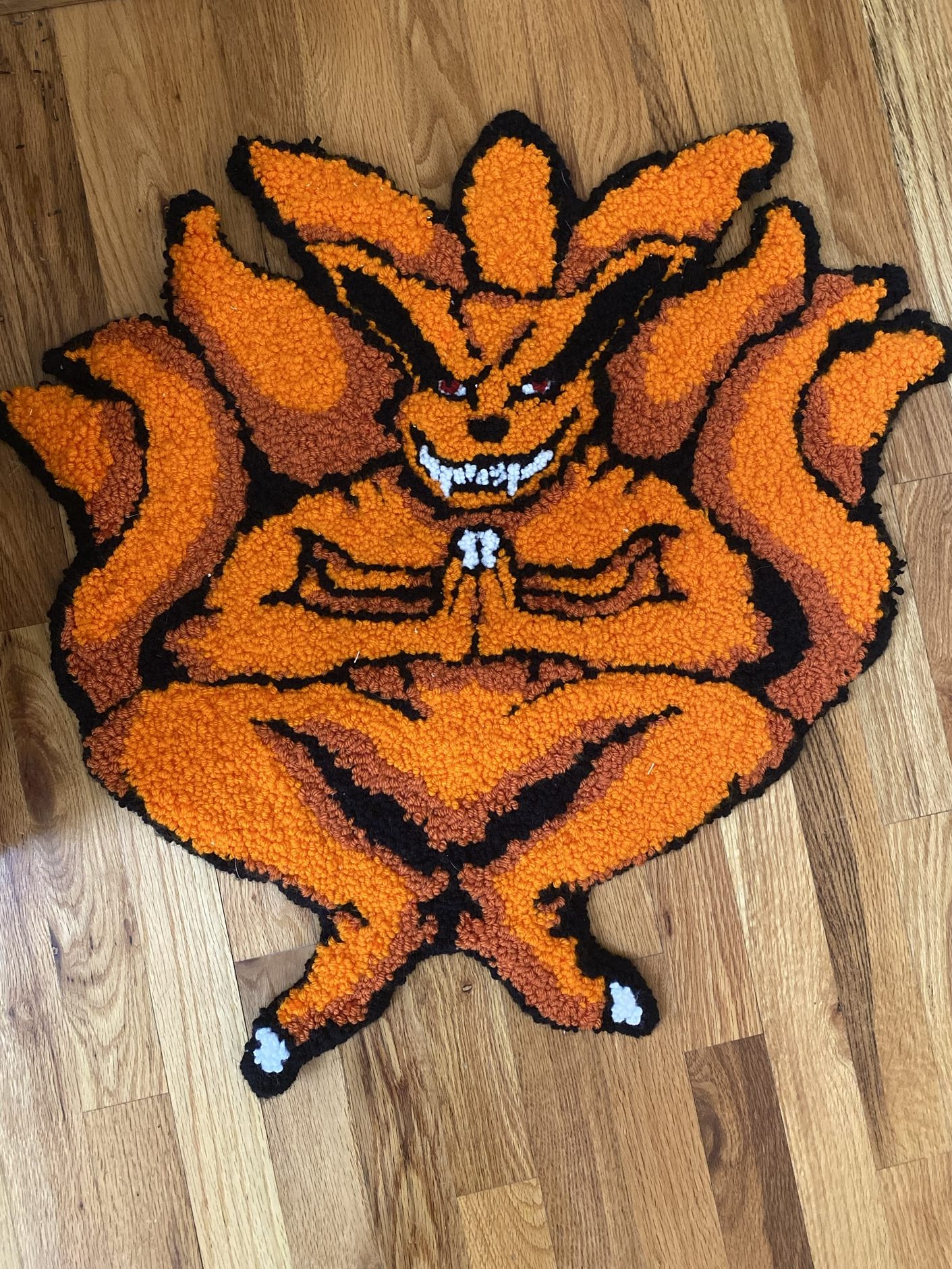
“Kurama”
Acrylic yarn rug; Created with a punch needle
 Brianna LaRue